Past Events
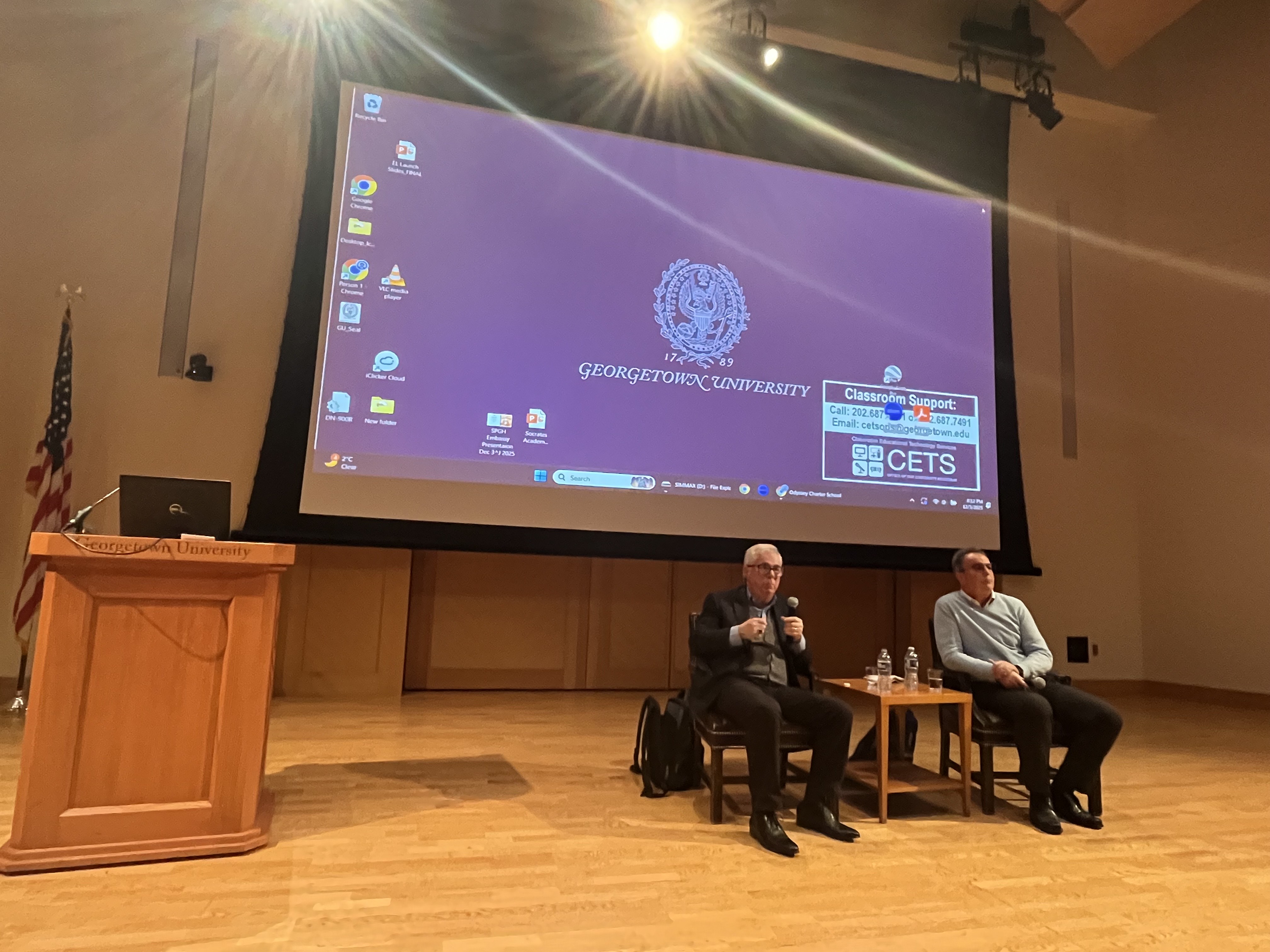
A Hopeful Note: Teaching Greek to Students of the Diaspora and Beyond
📍 Lohrfink Auditorium, Georgetown University, Washington, DC
In the third of our trilogy of events devoted to Greek language we highlight two case studies of teaching Greek language and culture in the United States, both in the Charter School space. The first case is Odyssey School in Wilmington Delaware, an experiential community grounded in the classical Greek ideals of paideia (cultural formation of the young), koinonia (fellowship) and philanthropy. The school brings together language and culture to cultivate modern citizens through immersive learning, dialogue, and emphasis on shared inquiry. The second case is the Greek Immersion Program at Socrates Academy in Matthews North Carolina, featuring practices that promote linguistic proficiency, cultural engagement, and community connection through classroom instruction, enrichment activities, and school-wide cultural events. Although similar, the two schools also have differences and the panel focused on motives behind the matriculation of their predominantly non-Greek studentship as well as reception of linguistic and cultural experiences by the young students and their families. Dimitri Dandolos is a Founding Board Member of the Odyssey School. Among other things, he launched and developed the school's Greek language programs in collaboration with the Delaware Department of Education and Aristotle University of Thessaloniki. His work has fostered partnerships with Harvard's Center for Hellenic Studies, entrepreneurship and cultural exchange programs, and international educational collaborations. Matthaios Stamoulis is the Head of Greek Studies at the Socrates Academy. He holds a Ph.D. in History from the University of Ioannina and Master's degrees in Education and Cultural Studies. He is a professional educator who designs student-centered learning experiences and oversees curriculum development, cultural programming, and immersive educational trips to Greece. Co-hosted with the Embassy of Greece and Georgetown University Modern Greek Studies Program.
View details →
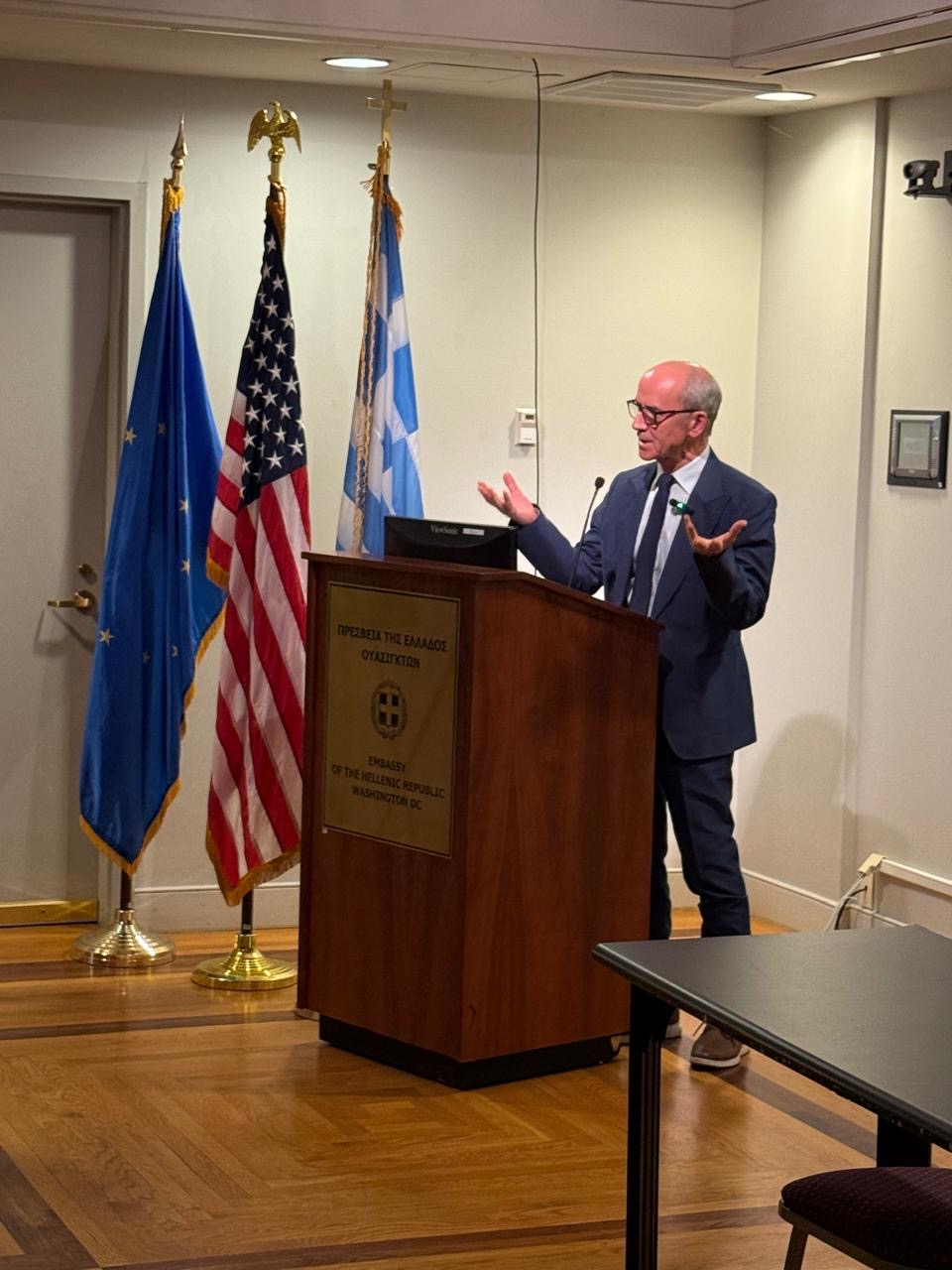
Hellenism in Multicultural America: Language, Identity & Cultural Survival
📍 Washington, DC
What happens to a culture when its language evolves? This lecture explored the future of Hellenism in multicultural America, focusing on the state of the Greek language in the diaspora. Beginning with a reading of Cavafy's "Poseidonians," the talk reflected on themes of memory, identity, and cultural survival. It traced the Greek American journey — from early immigrant communities to today's festivals and suburban life — asking what is retained, what is lost, and how language plays a central role. By comparing the Greek experience in the U.S. with that of Alexandria, Egypt, the lecture highlighted how different cultural environments shape resilience and continuity. Drawing on the example of Columbus, Ohio, it examined how Greek identity is expressed today and considered the role of education, community events, and Modern Greek programs in keeping the language — and culture — alive for future generations. Gregory Jusdanis is a Distinguished Arts and Sciences Professor at the Ohio State University and the author of Constantine Cavafy: A New Biography, The Poetics of Cavafy, Belated Modernity and Aesthetic Culture, The Necessary Nation, Fiction Agonistes, and A Tremendous Thing. He has received fellowships from the Guggenheim Foundation, the National Endowment for the Humanities at the American School of Classical Studies in Athens, the American Council of Learned Societies, the Woodrow Wilson International Center for Scholars, and the Social Sciences and Humanities Research Council of Canada.
View details →
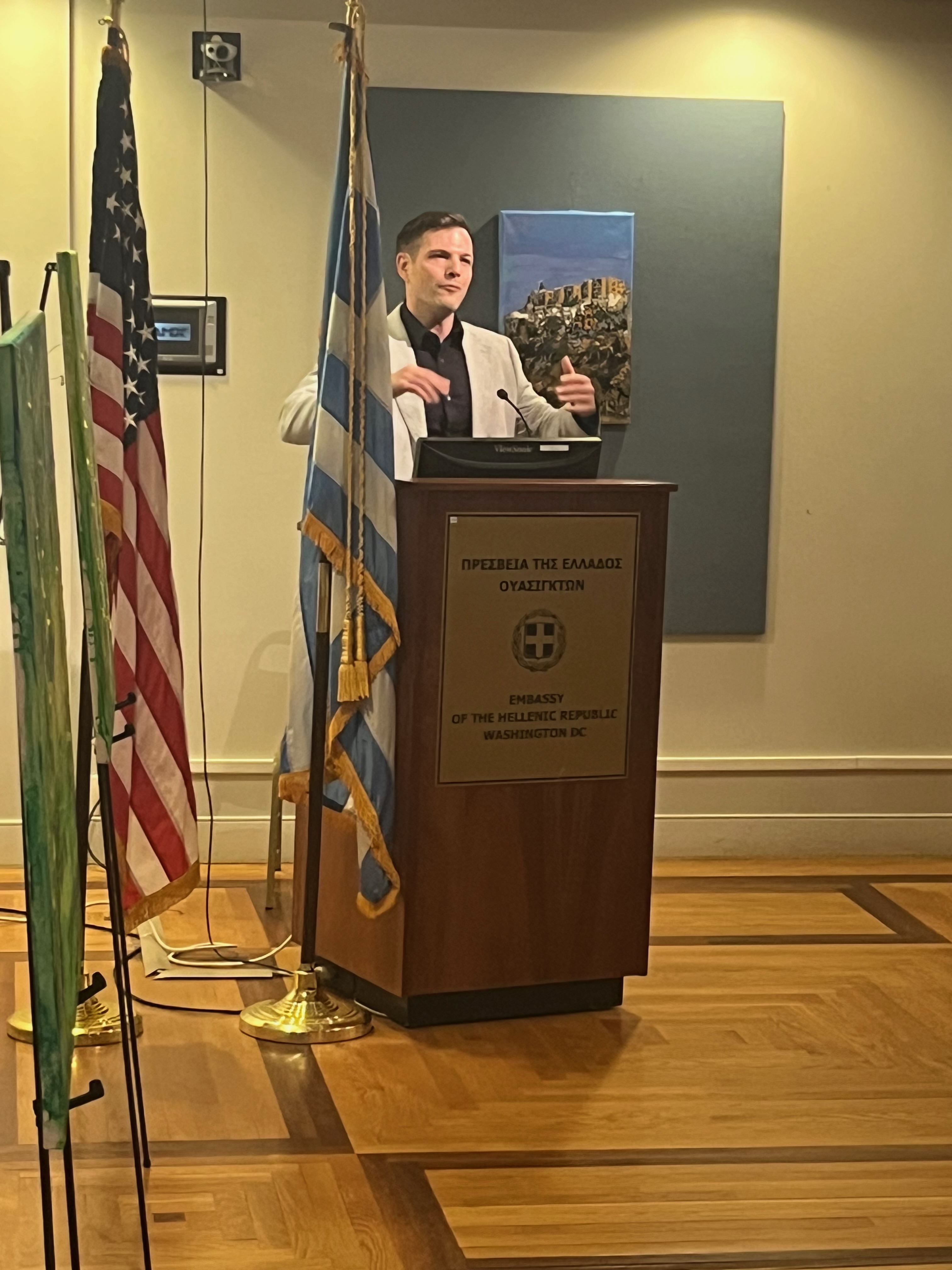
The Greek Language as a Thought Instrument
📍 Washington, DC
The expressive power of the Greek language was refined over centuries along with the development of the Greeks' unique political and philosophical experiments, resulting in a language especially suited for articulating abstract principles. Indeed, the ideas behind western political institutions, philosophy, and science can be found in specific features of Greek language. This lecture considered the historical, philosophical, and linguistic developments that created the Greek language, and discussed the consequences of the decline of the use and teaching of Greek in Greece, Europe, and America. Joseph Conlon, PhD is Professor of Classics, Director of the Greek Program, and Dean of Graduate Studies at Ralston College in Savannah, Georgia. He specializes in language acquisition and pedagogy and is also a translator of literature written in the katharevousa form of Greek. Recording: youtube.com/watch?v=TRx-73dm9po
View details →
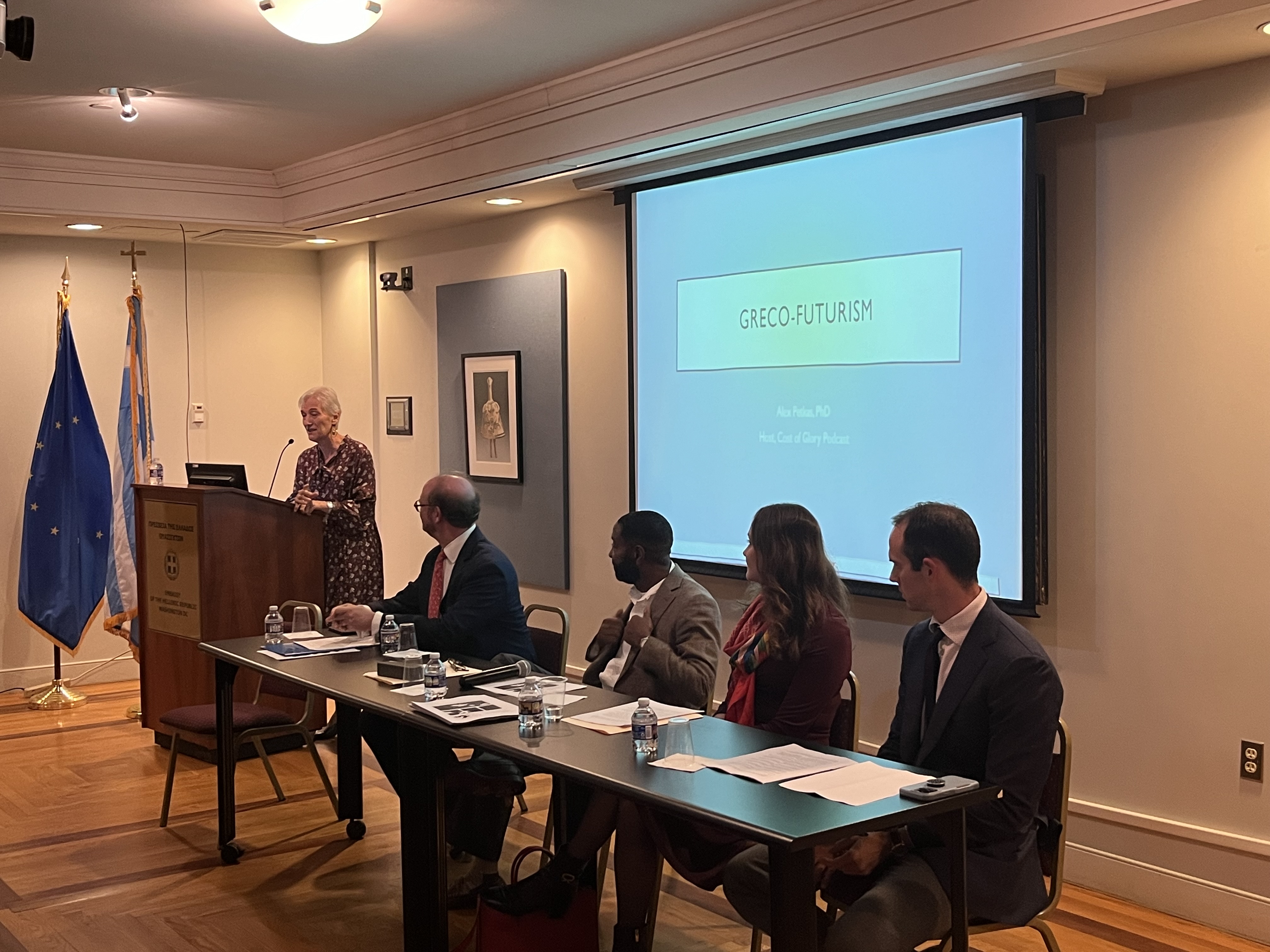
Greek Classics: Enduring Relevance for the Modern World
📍 Washington, DC
In this second panel discussion focusing on Greek Classics, we explored why everyone today, regardless of heritage, should care about the Ancient Greek culture. We examined the lessons to be learned from engaging directly with Ancient Greek classics, as well as the remarkable traditions in literature, philosophy, and politics that have defined our modern world and were themselves inspired by Homer, Plato, and Pericles. Our three distinguished panelists were: Andre Archie, Associate Professor of Philosophy, Colorado State University; Claire Catenaccio, Assistant Professor of Classics, Georgetown University; and Alex Petkas, host of the podcast "The Cost of Glory." The moderator was Joshua T. Katz, Senior Fellow at the American Enterprise Institute. Recording: youtube.com/watch?v=TioAwOBqZPE
View details →
Greek Classics: A Crisis in American Academia?
📍 Washington, DC
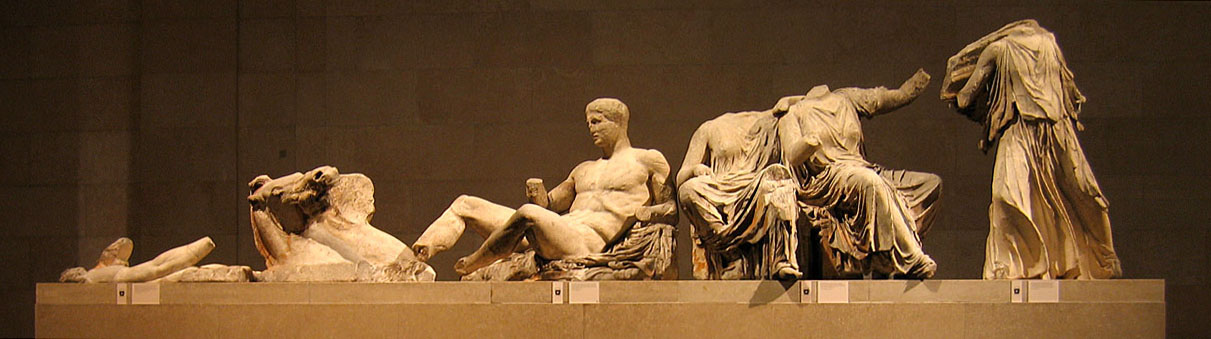
On the occasion of its 50th anniversary of operation in the Washington, DC region, the Society for the Preservation of the Greek Heritage, in collaboration with the Embassy of Greece, hosted a panel discussion on the current crisis in the reception and teaching of classics in the United States. The study of the Greek and Latin classics, until recently a jewel of the humanistic curriculum, is now regularly derided even by many of its practitioners: the professors employed to conduct research in and teach the next generation about the ancient world. In this event, while attending to why everyone today should care about Ancient Greece, we discussed more broadly how academia arrived at this crisis point and what we can do to reverse the trend. Our three distinguished panelists were: Eric Adler, Professor and Chair of Classics at the University of Maryland; Emmanuel Bourbouhakis, Associate Professor of Classics and Hellenic Studies at Princeton University; and Joseph Conlon, Professor of Classics and Director of the Greek Program at Ralston College. The moderator was Joshua T. Katz, Senior Fellow at the American Enterprise Institute. Recording: youtube.com/watch?v=aLOOJUHTwz4
View details →
Hellenism Goes Global: Why the Olympics Should Matter to Philhellenes Today
📍 Washington, DC
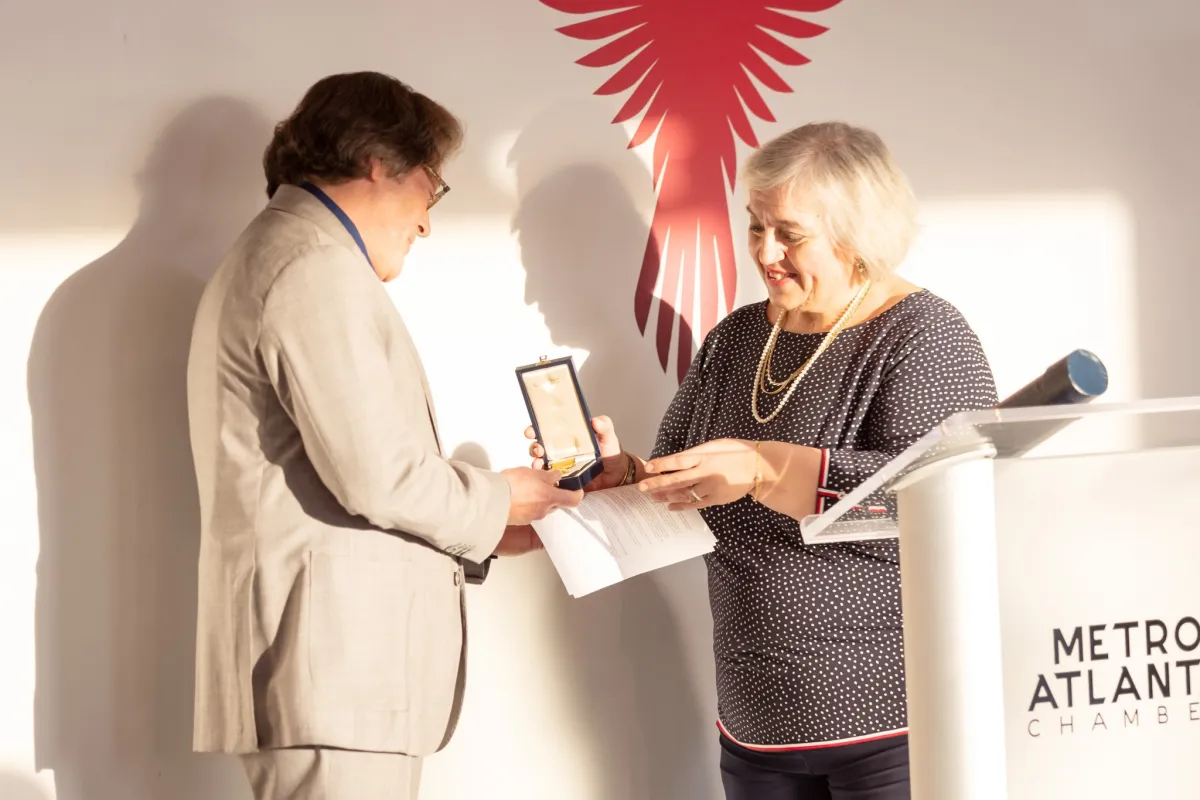
The Modern Olympics are the largest and most successful international event in the world. However, a little more than one century after their founding in Athens in 1896, the reasons for their revival have been largely forgotten. In this lecture we see why it is crucial that we pay attention to this modern revival. As our lecturer argued, religion lies at the heart of this story: ancient Greek religion, early Christian religion, and modern religion as well. What we see is that Hellenism, viewed as a vast archive of cultural experience, also provides a spiritual foundation for modern internationalism and cosmopolitanism. Professor Ruprecht is the inaugural holder of the William M. Suttles Chair of Religious Studies at Georgia State University, where he also serves as the Director of the Center for Hellenic Studies. Ruprecht's work traces ancient Greek ideas in subsequent cultural periods in the realms of art, eros, democratic institutions, and much more. His most recent book is Reach without Grasping: Anne Carson's Classical Desires (2022). For his work bringing classical Greek ideas to modern-day scholarship and culture he has been granted the Gold Cross of the Order of the Phoenix by the President of the Hellenic Republic. Recording: youtube.com/watch?v=73dEH9zgxU0
View details →
Speaking of Memory: Reading the Classics in a Post-Modern World
📍 Washington, DC
A very important and publicly debated problem is the role of the classics in helping us understand the world we live in today. Two related issues are the phenomenon of collective memory and how it has been understood in the ancient and modern world, and the role of literature and the arts in preserving, critiquing, and transmitting our shared culture. Professor Kanelos is the Founding President of the University of Austin. He previously served as President of St. John's College, Annapolis. He has authored or edited numerous books and articles on Shakespeare, including the "Shakespeare and the Stage" series. He holds a Ph.D. from the Committee on Social Thought at University of Chicago and an M.A. in Political Philosophy and Literature from Boston University.Shakespeare and the Stage" series. He holds a Ph.D. from the Committee on Social Thought at University of Chicago and an M.A. in Political Philosophy and Literature from Boston University.
View details →
Journey of the Minds and the Future of Leadership: Reading Greek Classics
📍 Washington, DC
Examined how journeys to another person's mind relate to leadership challenges including social media excess, educational shifts, and AI, using the Odyssey to explore empathy and vulnerability. Speaker: Norman Sandridge (Associate Professor of Classics, Howard University; co-founder Kallion Leadership). Recording: youtube.com/watch?v=_I_eMpZXM24
View details →
Why a New History of Byzantium?
📍 Washington, DC
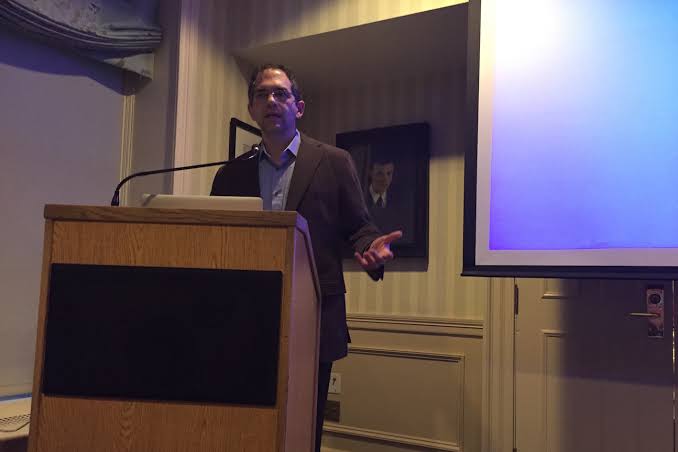
The Eastern Roman Empire, also known as Byzantium, is among the most misunderstood, even maligned, civilizations. It is also difficult to study and its history is written once every generation or less. Our speaker presented a new and unexpected Byzantium as emerged from recent research. Turning the tables on narratives of decline and fall, the lecture focused instead on why this state lasted so much longer than its rivals and why it causes so much anxiety among western Europeans. Its claims to both the Hellenic and Roman traditions lie at the heart of the problem. Anthony Kaldellis is a Professor of Classics at the University of Chicago. His new history of Byzantium titled "The New Roman Empire" was recently published by Oxford University Press. Professor Kaldellis has also published books and articles on historiography, classical reception, political ideology, and ethnicity, in addition to many translations of medieval Greek texts. In 2019, he launched the podcast "Byzantium & Friends" in which he interviews colleagues from around the world on current research on the topic.
View details →
Delving Deeper Into Hellas: Anglophone Writers on Greece
📍 Washington, DC
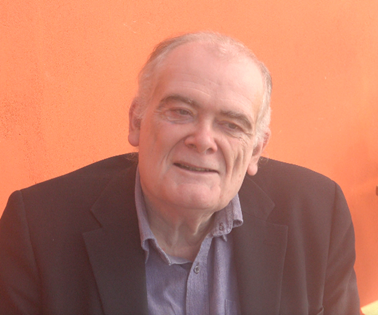
Whether they arrived as archaeologists, anthropologists, soldiers or scholars, Anglophone writers over the past century have reacted in myriad ways to the beauty of Greece, its history and its complex political and human realities: From the sensuality of Henry Miller to the school-boy enthusiasm of Patrick Leigh-Fermor and from the hedonism of Lawrence Durrell to the Orthodox spirituality of Philip Sherrard and the political engagement of Kevin Andrews. The genteel art of travel writing has been replaced by the voices of authors like Sofka Zinovieff and Alicia Stallings who have made Greece their homeland. Greece is no longer the exotica to be admired from afar, but an evolving reality whose hopes and fears have to be shared in order to be understood. Bruce Clark worked as an international-news journalist for more than 40 years, with postings in Paris, Athens, Moscow and Washington, D.C. Born in Northern Ireland in 1958 and educated at Cambridge University, he has always had a strong interest in the ancient and modern history of Greece. His book "Twice A Stranger" — an account of the Lausanne Convention on Population Exchange and its consequences — won the Runciman Prize in 2007. In October 2021, he published "Athens: City of Wisdom" — a narrative history of the city from pre-historic times to the present day. Between 1982 and 1986 he was the first expatriate correspondent posted to Greece by Reuters. In September 2022 he was awarded the Golden Cross of the Order of Phoenix for services to Greek culture and history. Recording: youtube.com/watch?v=h4i-24xxWM8
View details →
Moment of Truth for Heritage Preservation
📍 Washington, DC
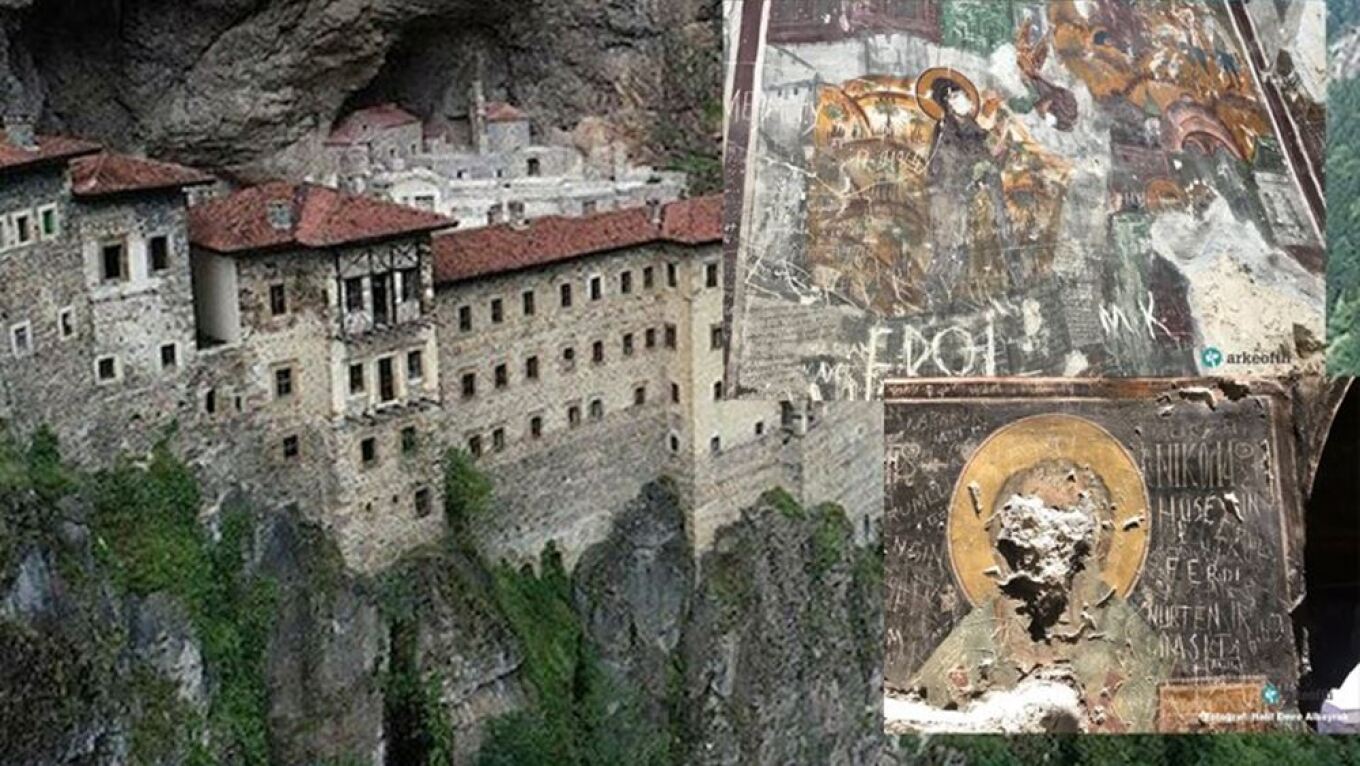
Panel discussion on the preservation of religious and cultural monuments threatened by geopolitical developments. Panelists: Elizabeth Prodromou (Atlantic Council), Flora Karagianni (European Center for Byzantine and Post-Byzantine Monuments), Evangelos Kyriakides (Heritage Management Organization). Moderator: Vassilis Koliatsos.
View details →
How Quickly They Forget: Why Hagia Sophia Matters for Heritage and Humanity
📍 Washington, DC
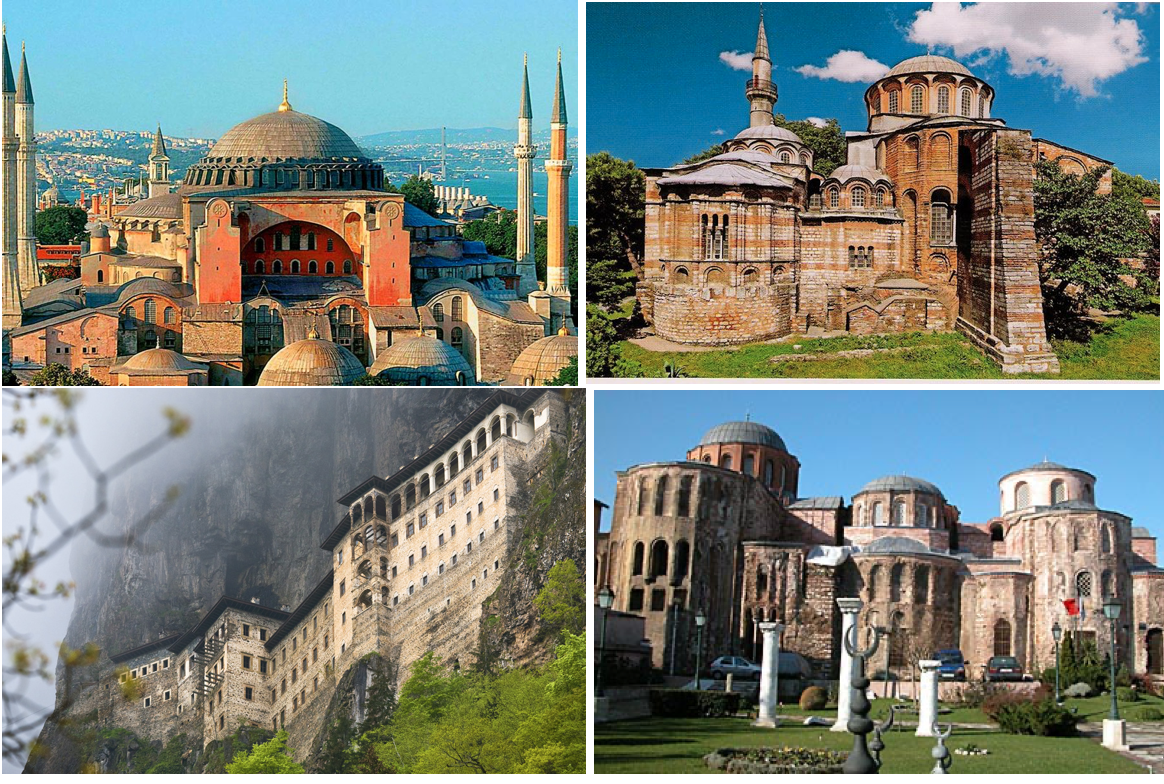
Just a year and a half after the conversion of Hagia Sophia, the most emblematic church-monument of Orthodox Christendom, to a mosque by the Turkish government, the event is all but forgotten. Soon thereafter, another jewel of Byzantine architecture, the Chora Church, was also converted. Although Greeks and Christians around the world initially protested, their response was short-lived and had no effect. The problem directly speaks to the issue of the fate of world monuments in the hands of nations and heritages different than the ones that created them. More importantly, the subdued response points to a larger problem: a potential identity crisis for Hellenism. Professor Elizabeth H. Prodromou is Faculty Director of the Initiative on Religion, Law, and Diplomacy at the Fletcher School of Law and Diplomacy at Tufts University. She is a Co-President of Religions for Peace, and is Nonresident Senior Fellow and Co-Chair of the Working Group on Christians and Religious Pluralism in the Middle East at the Hudson Institute's Center for Religious Freedom. Professor Prodromou served as Vice Chair and Commissioner on the U.S. Commission on International Religious Freedom (2004–2012) and as a member of the U.S. Secretary of State's Religion & Foreign Policy Working Group (2011–2015). Her research interests focus on geopolitics and religion, as well as democratization and religious pluralism, with particular focus on the Eastern Mediterranean and Middle East. Recording: youtube.com/watch?v=V73Abfyn_ec
View details →
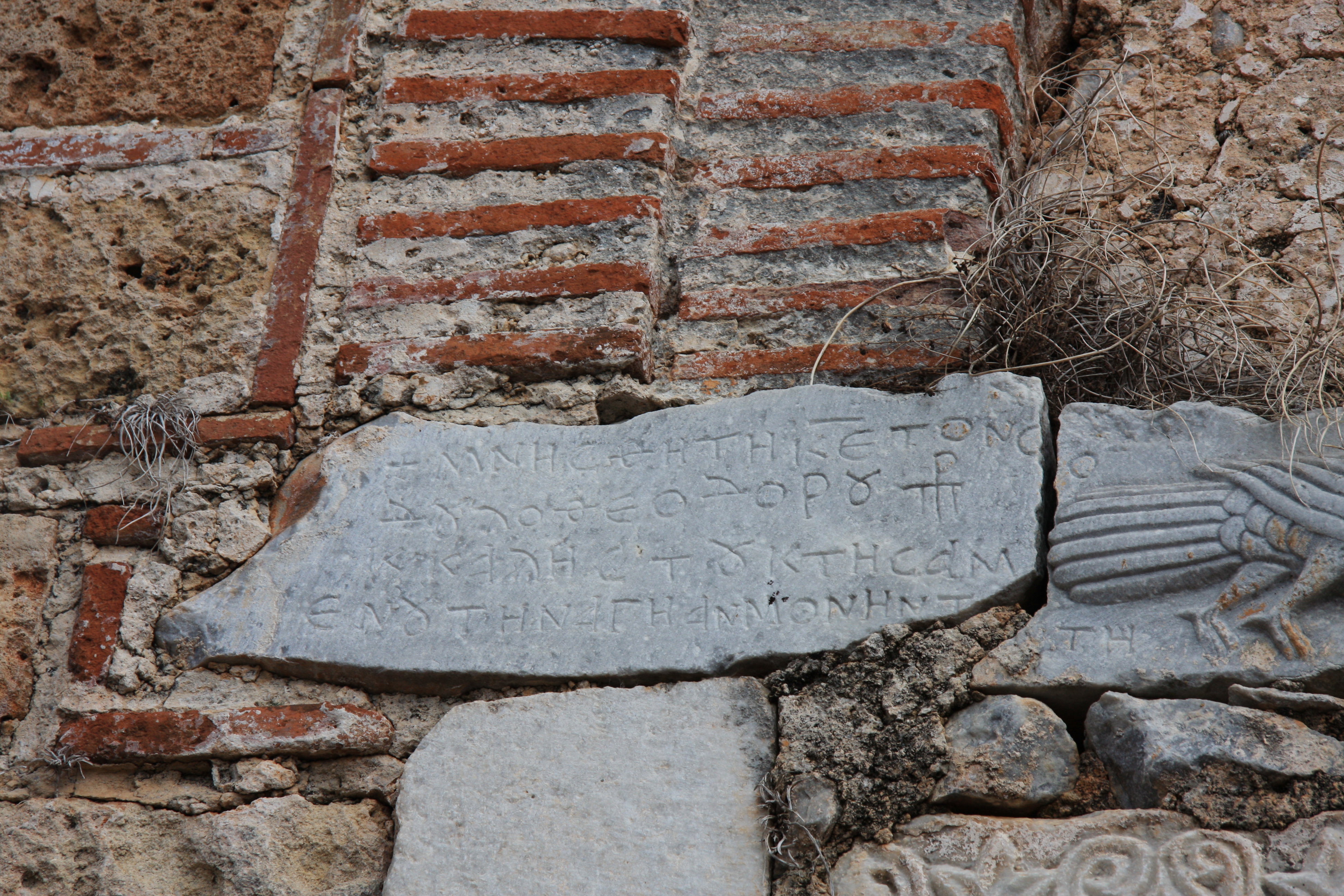
In Search of a Modern Greek Identity: The Contribution of Monuments
📍 Washington, DC
After the success of two prior events exploring lessons from history and geopolitics in the formation of modern Greek identity, SPGH presents the third event of its 1821–2021 series in which we explore the continuity of Greek identity in the legacy and enduring role of ancient, medieval and modern monuments. Sharon Gerstel discussed her long-term project concerning the restoration of an 11th-century village church in Vamvaka, Mani. The study of the church presents a fascinating history that starts in the ancient world and ends in the present day. What does this church mean to a community over time, and how do we, as modern visitors, encounter and appreciate such buildings, which are frequently locked? Are they relics of the past, or do they hold some greater meaning for our understanding of Greek culture and identity through the ages? Sharon E. J. Gerstel is Director of the UCLA Stavros Niarchos Foundation Center for the Study of Hellenic Culture, Professor of Byzantine Art and Archaeology in the Department of Art History at UCLA, and the George P. Kolovos Family Centennial Term Chair in Hellenic Studies. Trained in art history, religious studies, and archaeology, Gerstel's work investigates ritual, art, and material culture as well as acoustics and cultural heritage. As an archaeologist, she has been involved in numerous excavations in Greece. Her ongoing research focuses on acoustics, architectural design, and chant in medieval churches. For her contributions to the promotion of Hellenic Culture, she has been named a Commander of the Order of the Phoenix, one of Greece's highest honors, and has also been naturalized as a Greek citizen. Recording: youtube.com/watch?v=Dc5kOMlwq24
View details →
SPGH Series "In Search of a Modern Greek Identity": Geopolitical Dimensions
📍 Washington, DC
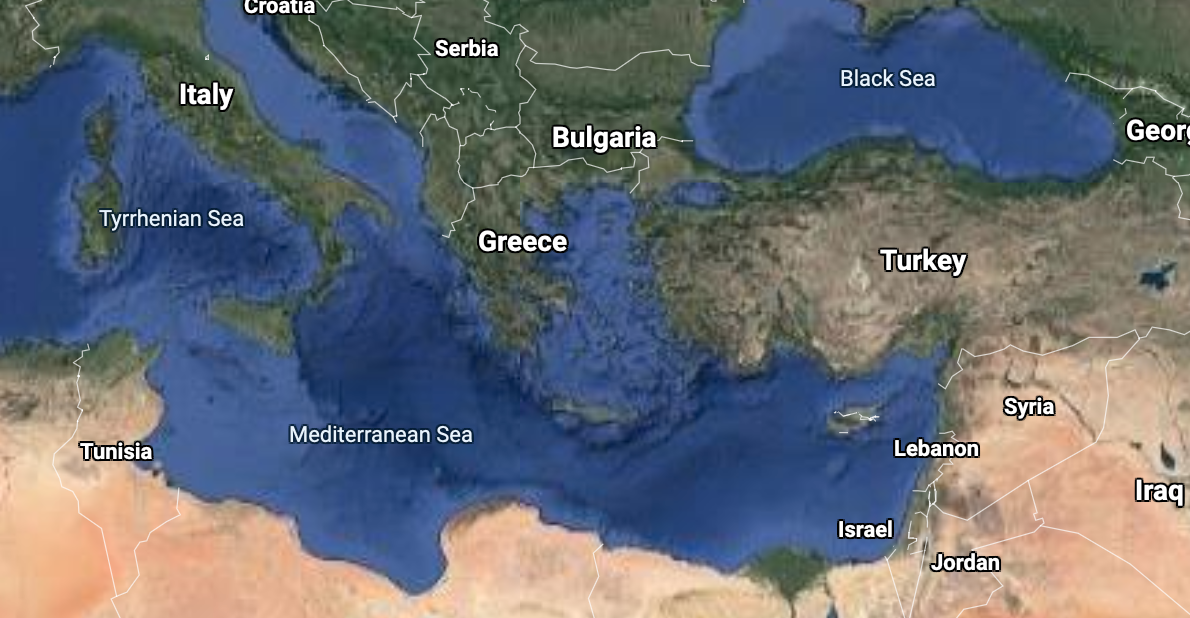
Although geopolitical issues, in the broader sense, are relevant to the entire Greek diaspora, they are nowhere as important as in mainland Greece, whose very existence has depended, and continues to depend, on bloody struggles for survival and territorial integrity in an increasingly aggressive geographical environment. Remarkably, many of Greece's neighbors that were historically opposed to the creation of modern Greece, especially Turkey, define their own identity based on their perpetual hostilities with the Greeks, dating back to the 12th century. But an identity is not only forged by struggle — it is also affected by one's chosen community. Greek integration within larger organizations, especially the European Union, poses its own challenges and raises very important questions about modern Greece. Dr. Kostas A. Lavdas is Professor of European and Comparative Politics and Director of the Graduate Program in International Relations and Strategic Studies at Panteion University in Athens. Dr. Lavdas has had distinguished careers in both the UK and the United States and his work on European politics, comparative foreign policy, transatlantic relations, and applied political theory has been published extensively in several languages. He has also been very active in the current public geopolitical debates in Greece focused on Turkey and related issues. Recording: youtube.com/watch?v=rIOR-pYorGA
View details →
SPGH Series "In Search of a Modern Greek Identity": Lessons From History
📍 Washington, DC
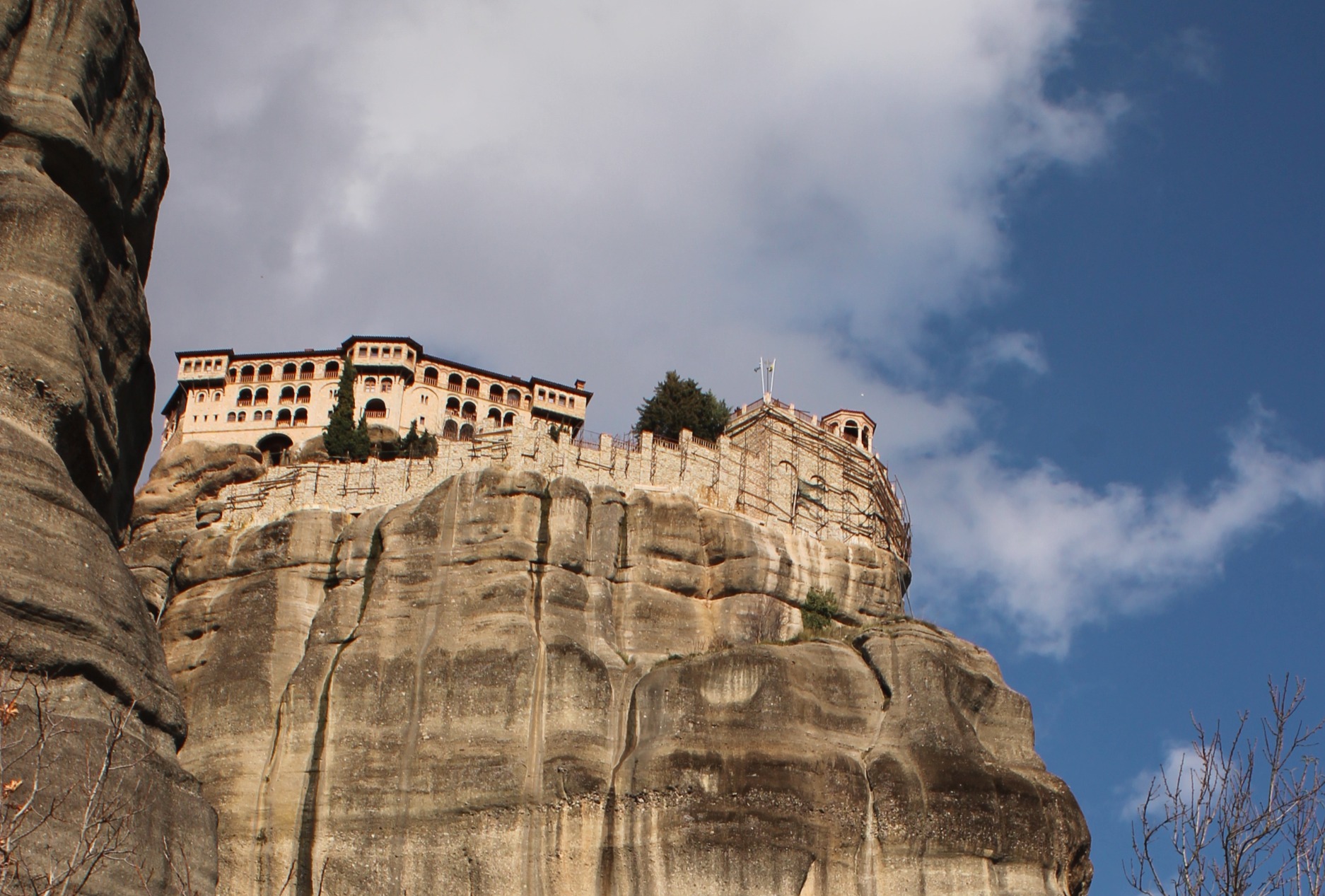
There are few events that bring to the fore the issue of identity as sharply as a revolution. And few events that test an individual or national perception of identity as critically as threats to one's existence or sense of honor. This year, Hellenism recognized the 200-year anniversary from the start of the great Greek revolution of 1821, while grappling with the implications of increasing geopolitical tensions with Turkey, such as the conversion of Hagia Sophia to a mosque and the status of the Aegean being called into question. In response to these events that speak to core issues of heritage, SPGH launched a series of events exploring a modern meaning of Greek identity, starting with a panel discussion on history. History, much like monuments, music and literature, is not only a reflection of who we are but also leaves traces in our collective memory, thus shaping our current understanding of the world and presaging the future. Our distinguished panelists were Professor Anthony Kaldellis, Chair of the Department of Classics at Ohio State University, and Professor Roderick Beaton, former Koraes Professor of Modern Greek and Byzantine History, Language and Literature at King's College London, author of the must-read "Greece: Biography of a Modern Nation".Greece: Biography of a Modern Nation".", imageUrl: 'https://static.wixstatic.com/media/ae1f85_f6a6a87e10bc4de0aba94e70938ecda1~mv2.jpg', isPast: true, }, // ── 2020 ────────────────────────────────────────────────────────────── { slug: 'meteora-heritage-2020', title: 'Meteora: A Personal Journey in Physical and Spiritual Heritage', date: '2020-10-15', location: 'Washington, DC', description: With current focus on the living aspects of heritage, SPGH and the Modern Greek Studies Program of Georgetown University present the work and experiences of Eva Kosvyra, a young Greek architect who has been living and working in the rocks of Meteora — a unique geographical phenomenon in Thessaly, Greece, whose very name means "suspended in the air" and is the site of a complex of Greek Orthodox monasteries second in importance only to Mt. Athos. Ms. Kosvyra, a native of the region, began by studying the construction of the first Meteora hermitages as a graduate student and progressively became one with not only the geographical and architectural, but also the spiritual realities of the site that she calls "so exposed yet also so protected." SPGH and Georgetown's Modern Greek Studies Program welcome the opportunity of sharing in the experiences of a person who was born and raised near a treasure of Greek heritage, made a career centered around the monument, and who is becoming herself part of the monument's life and everlasting narrative.
View details →
Meteora: A Personal Journey in Physical and Spiritual Heritage
📍 Washington, DC
Presented the experiences of Eva Kosvyra, a young Greek architect working in the Meteora rocks in Thessaly, discussing the first hermitages and the spiritual dimensions of this UNESCO heritage site. Co-sponsored by Georgetown University Modern Greek Studies Program.
View details →
Greek Heritage Preservation and The Future of Greece: The Challenges Ahead
📍 Washington, DC
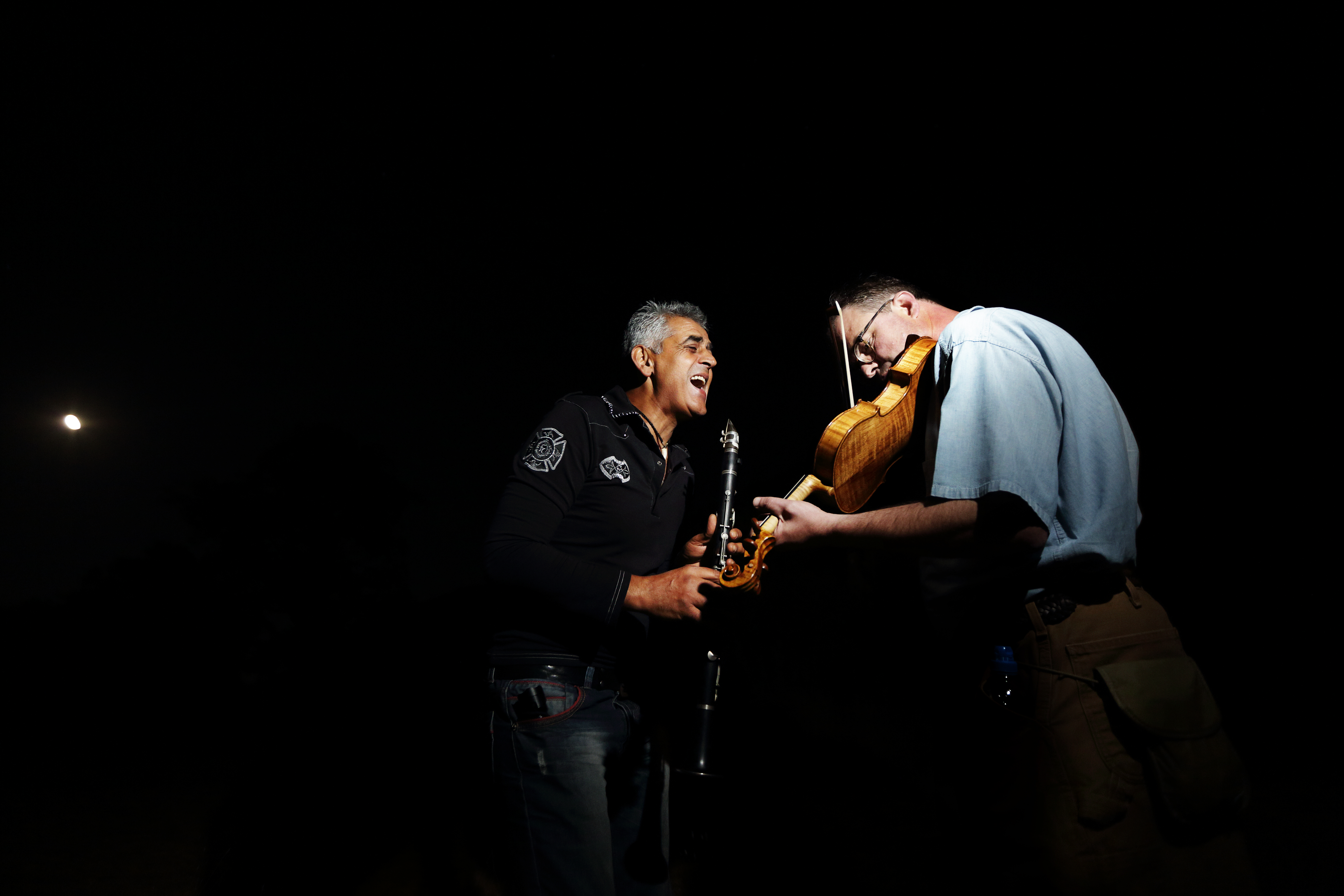
SPGH hosted a discussion with Thodoris Georgakopoulos on demographics, climate change, and other major forces that will shape the population and physical environment of Greece in the coming decades, based on research from Greek think tank DiaNEOsis. SPGH noted: "We were founded in the mid-1970s with the initial charge of preserving the Greek physical and cultural environment on the belief that preservation of the Greek heritage is intimately linked to the preservation of Greece." Recording: youtube.com/watch?v=5po8yCumv14We were founded in the mid-1970s with the initial charge of preserving the Greek physical and cultural environment on the belief that preservation of the Greek heritage is intimately linked to the preservation of Greece." Recording: youtube.com/watch?v=5po8yCumv14", imageUrl: 'https://static.wixstatic.com/media/ae1f85_3db95e8438174f3b8a2a269618eb52c3~mv2.jpg', isPast: true, }, // ── 2018 ────────────────────────────────────────────────────────────── { slug: 'american-in-epirus-2018', title: 'An American in Epirus: A Southerner Listening to Greek Blues (Moirologia)', date: '2018-11-28', location: 'Washington, DC', description: Music collector and Grammy-winning producer Christopher King shared his transformational encounter with laments from Epirus and discussed the connection of these northwestern Greek blues to American southern blues. King, from southern Virginia, presented his book "Lament from Epirus" with SPGH Chairman Vassilis Koliatsos, playing rare examples of southern blues music and demotika from the original 78 rpm discs.
View details →
An American in Epirus: A Southerner Listening to Greek Blues (Moirologia)
📍 Washington, DC
Grammy-winning producer Christopher King shared experiences encountering Epirotic laments, discussing connections between northwestern Greek music and American southern blues, and presenting rare 78 rpm recordings. Speaker: Christopher King (author "Lament from Epirus").
View details →
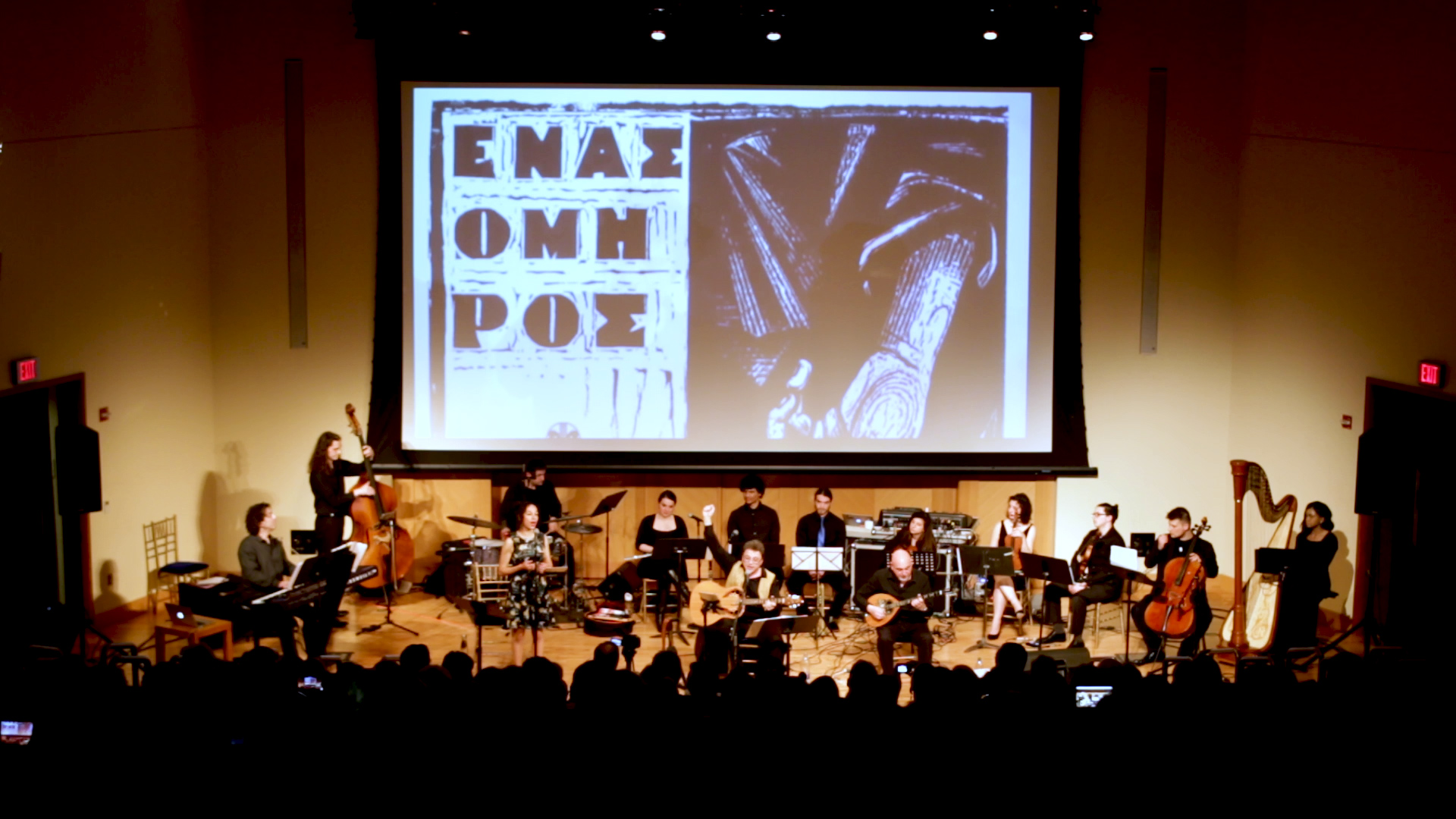
The Songs of Hadjidakis & Theodorakis: A Tribute to Greek Musical Heritage
📍 Georgetown University's Lohrfink Theater, Washington, DC
Performance by the Greek Music Ensemble honoring acclaimed composers Manos Hadjidakis and Mikis Theodorakis. Performer/Leader: Dr. Panagiotis Liaropoulos (Berklee College of Music). Recording: youtube.com/watch?v=Bt5WkDH73P0
View details →
Restoration of the Holy Sepulchre: The Ecumenical Heritage of Hellenism
📍 Washington, DC
Panel discussion on the restoration efforts of the Holy Sepulchre, co-sponsored by Greece's Embassy in Washington, DC.
View details →
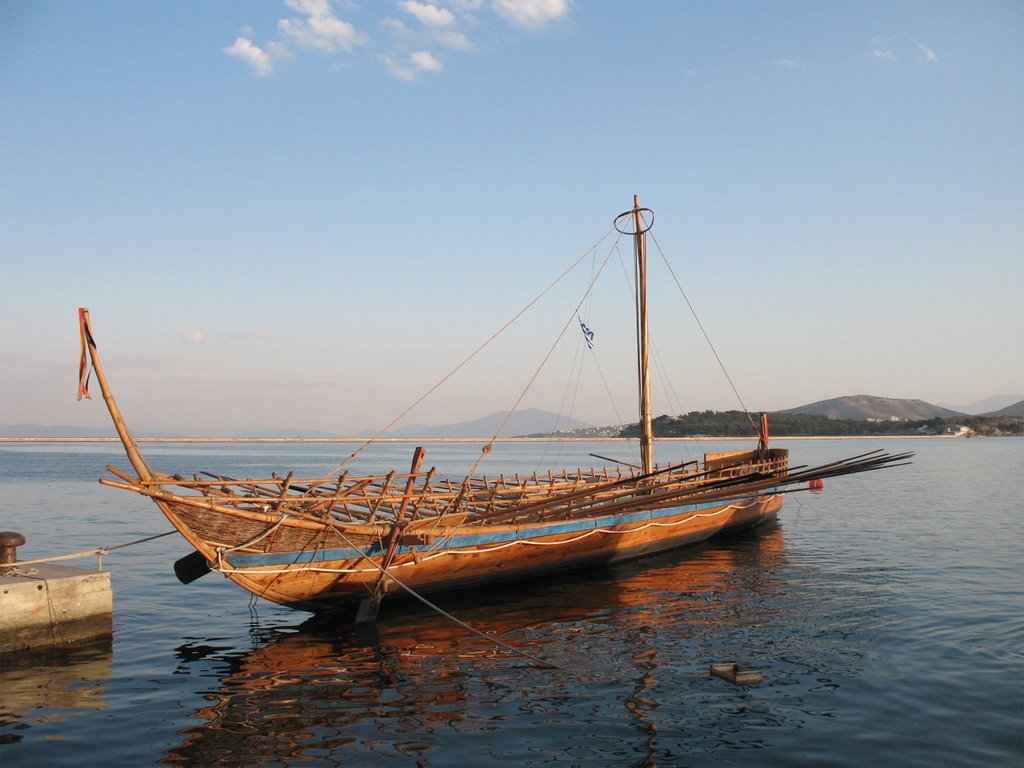
The Greeks and the Sea
📍 Washington, DC
Panel addressing Greek maritime heritage and history. Panelists: Efthimios Mitropoulos (President Emeritus UN International Maritime Organization), Diane Cline (Associate Professor, George Washington University), Alexandra Papadopoulou (Institute of Mediterranean Studies, Rethymno, Crete). Sponsors: John Chandris, DIANA Shipping, Ecolibra. Recording: youtube.com/watch?v=AxU2w3IH1NM
View details →
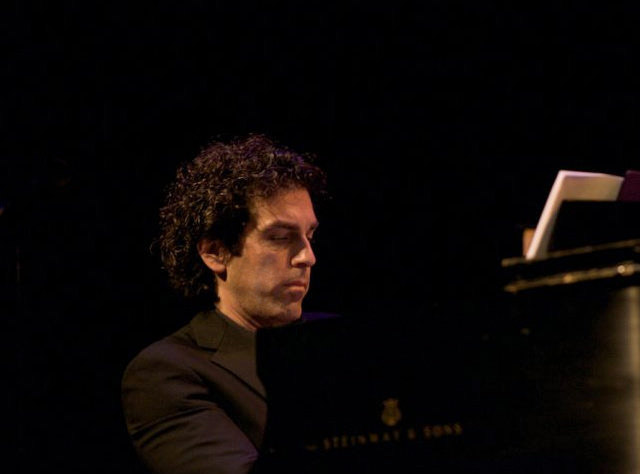
Historical Continuity of Greek Music: The Case of 20th Century Greek Art Music
📍 Cosmos Club, Washington, DC
Musical lecture examining historical continuity in Greek art music development. Speaker: Panagiotis Liaropoulos (Berklee College of Music). Recording: youtube.com/watch?v=o-ZR4BG2AzA
View details →
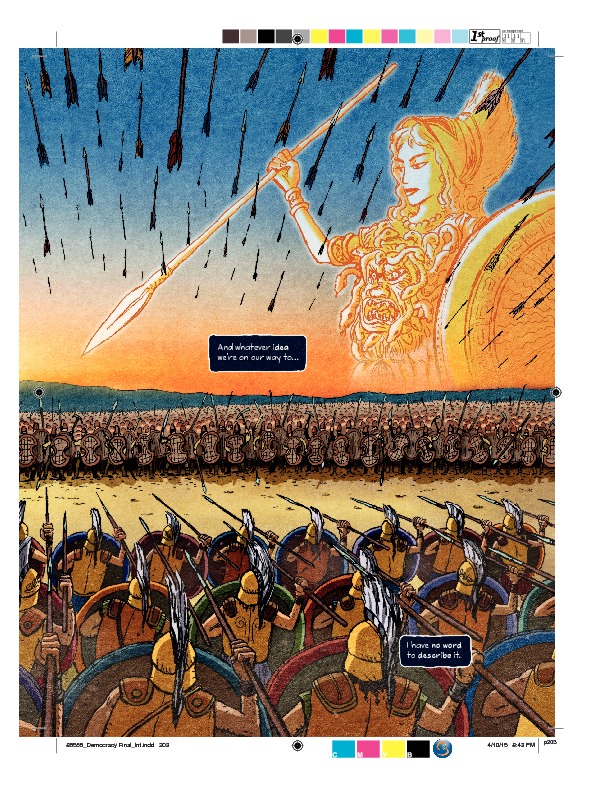
Ancient Greece in Popular Culture: Classics and Comics
📍 Washington, DC
Talk exploring Ancient Greece's presence in contemporary popular culture and comic media. Speaker: Thomas Jenkins (Trinity University).
View details →
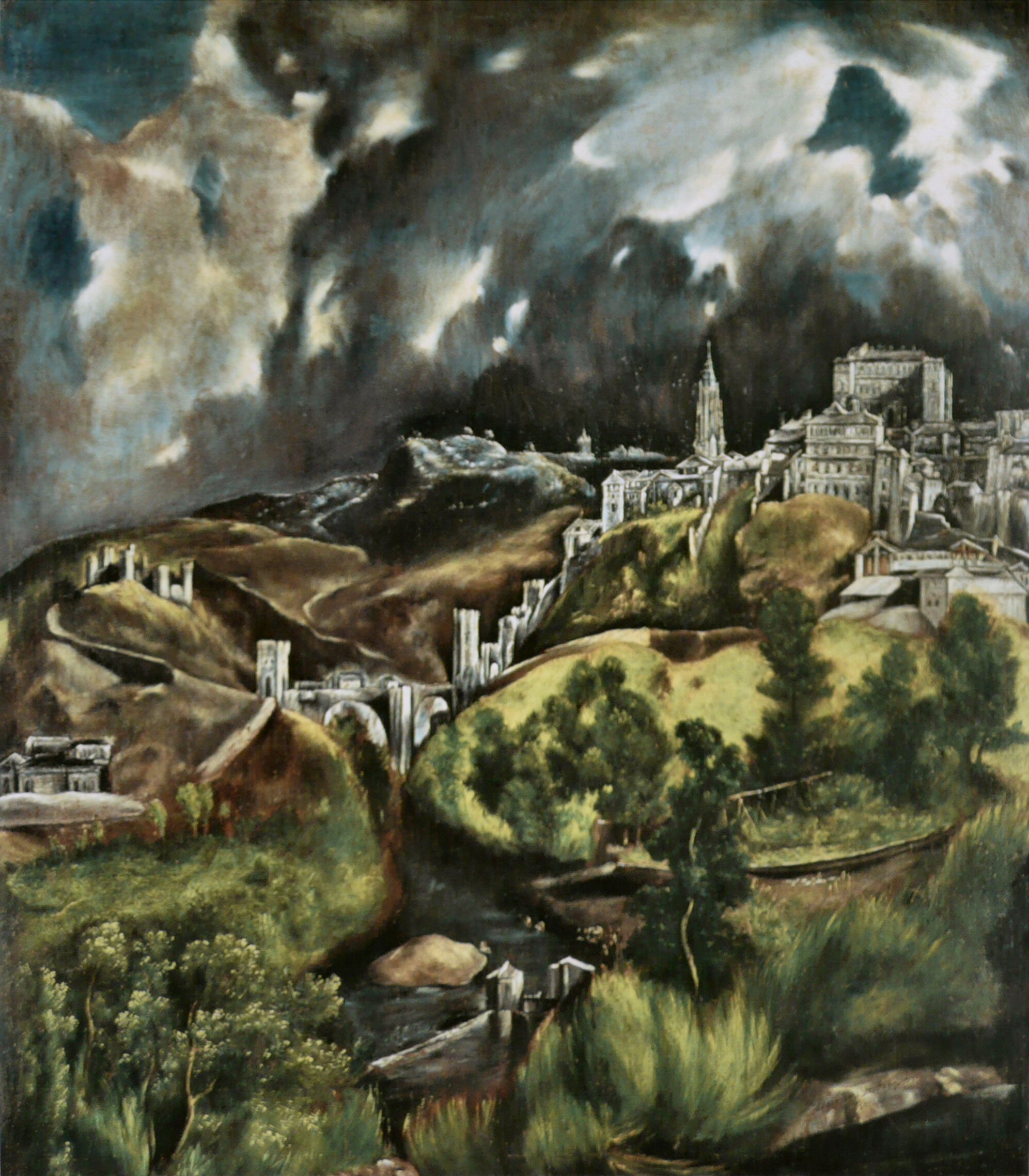
The Enduring Legacy of El Greco: Monumental Works in Toledo and Escorial
📍 Center for Hellenic Studies, Washington, DC
Lecture on the Greek painter El Greco's monumental artistic legacy in Spain. Speaker: Marina Lambraki-Plaka.
View details →
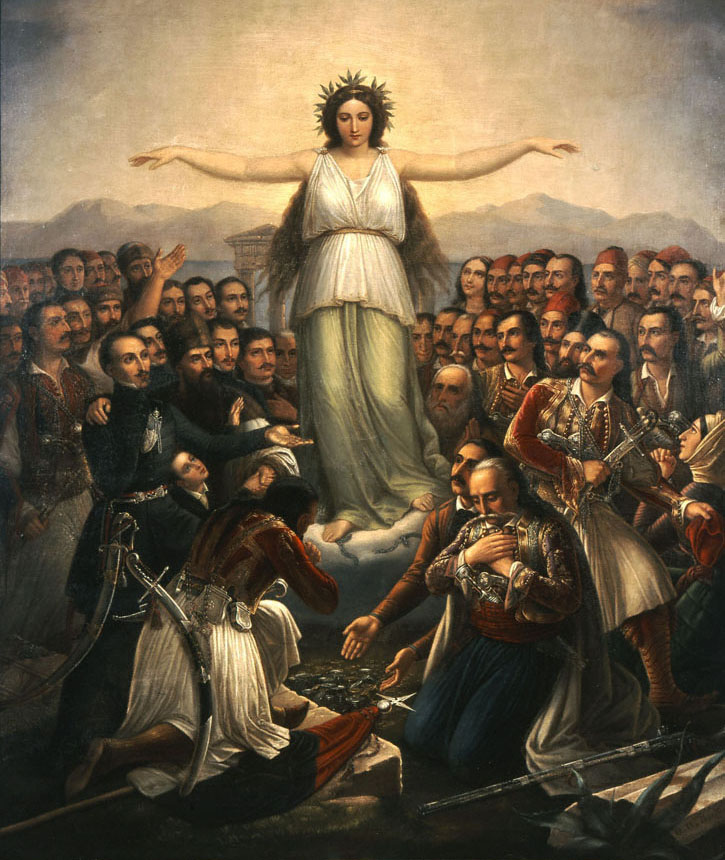
Art and Ideology in Modern Greece: Building the Identity of a Nation
📍 Sulgrave Club, Washington, DC
Lecture examining relationships between artistic expression and ideological movements in modern Greece. Speaker: Marina Lambraki-Plaka. Recording: youtube.com/watch?v=PYX9173lNO8
View details →
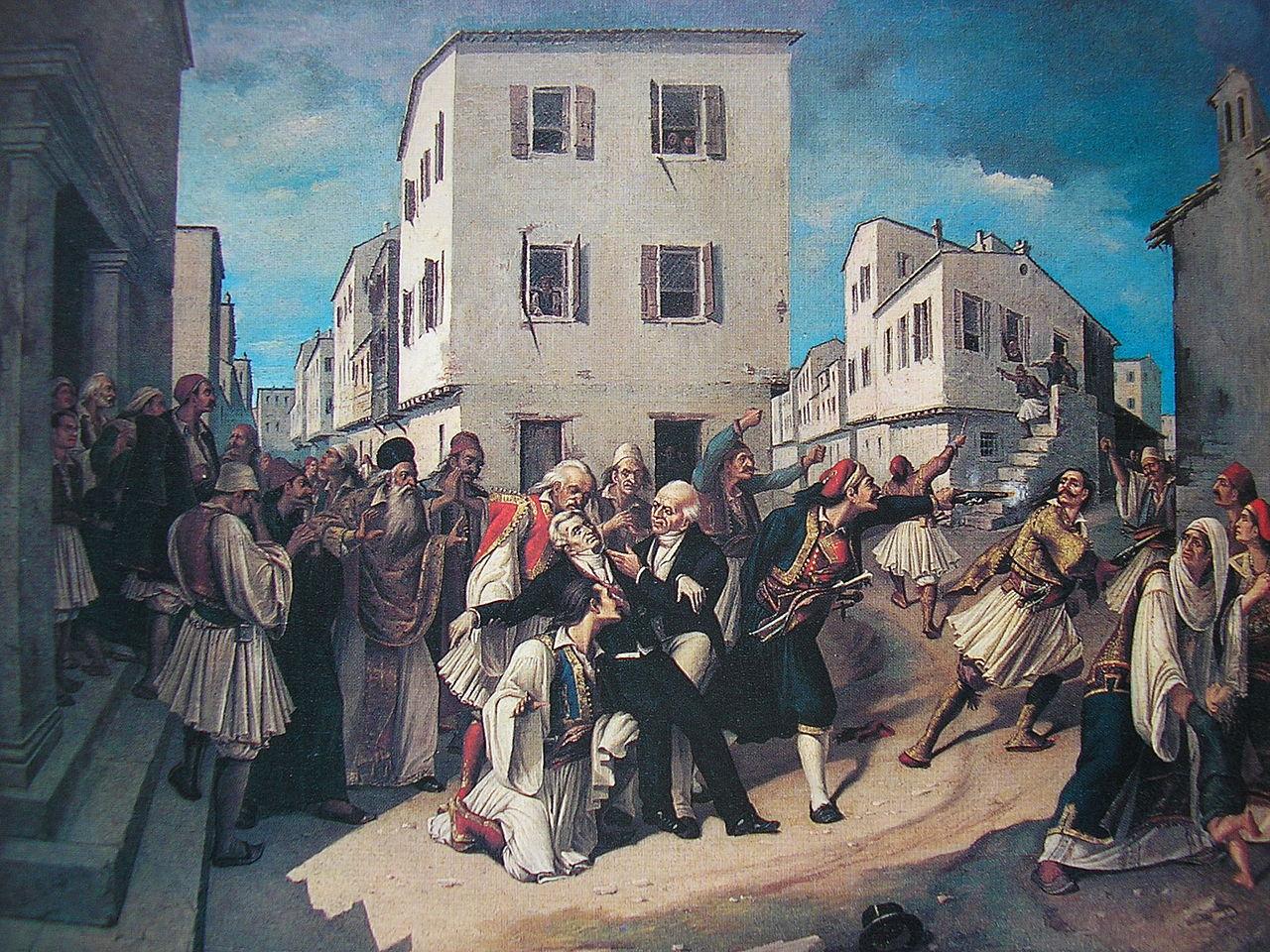
Panel Discussion on Crisis Hellenism
📍 Washington, DC
Panel examining contemporary challenges to Hellenism. Panelists: Anthony Kaldellis (Ohio State University) and Thanos Veremis (University of Athens, ELIAMEP). Recording: youtube.com/watch?v=jUZqeWbNqRc
View details →
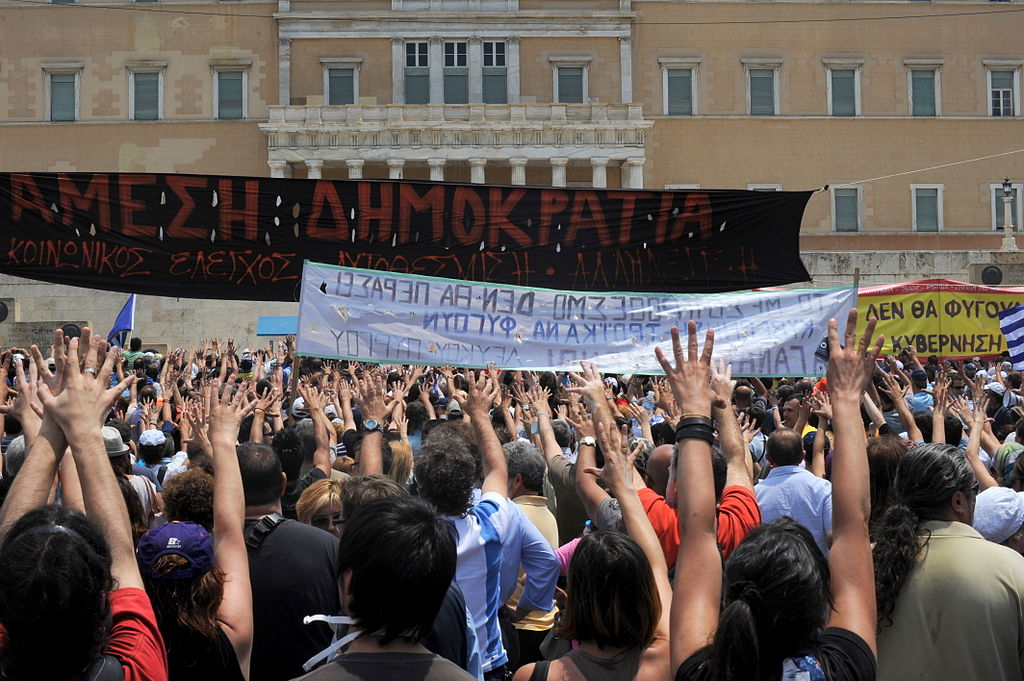
Reflections on the Greek Brain Drain: Past and Present
📍 Washington, DC
Lecture addressing the Greek emigration of intellectual and professional talent. Speaker: John Ioannidis (Stanford University).
View details →
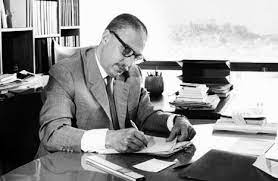
Constantinos Doxiadis: The Ecumenical Vision of a Contemporary Greek
📍 Sulgrave Club, Washington, DC
A panel discussion with John Peponis (Georgia Tech School of Architecture), Costis Toregas (George Washington University), Vassilis Koliatsos (Johns Hopkins University), and Apostolos Doxiadis. Moderated by Charis Lypiridis (The World Bank). This extraordinary panel covered the life and work of Constantinos Doxiadis, a legendary Renaissance Greek who transformed modern architecture and foreshadowed the importance of networks. The thought and impact of Constantinos Doxiadis (1913–1975) on contemporary settlements is difficult to compare. His ecumenical vision and practice provides a reference in planning for development, globally and in Greece. The creation of Islamabad, the design of Georgetown D.C. waterfront area, his landmark catalogue on the "Sacrifices of Greece in WWII", his various World Bank Group assignments, the Order of British Empire recognition, and the Aspen Award for Humanities describe only indicatively the multi-faceted size of his work. Venue: Sulgrave Club.
View details →
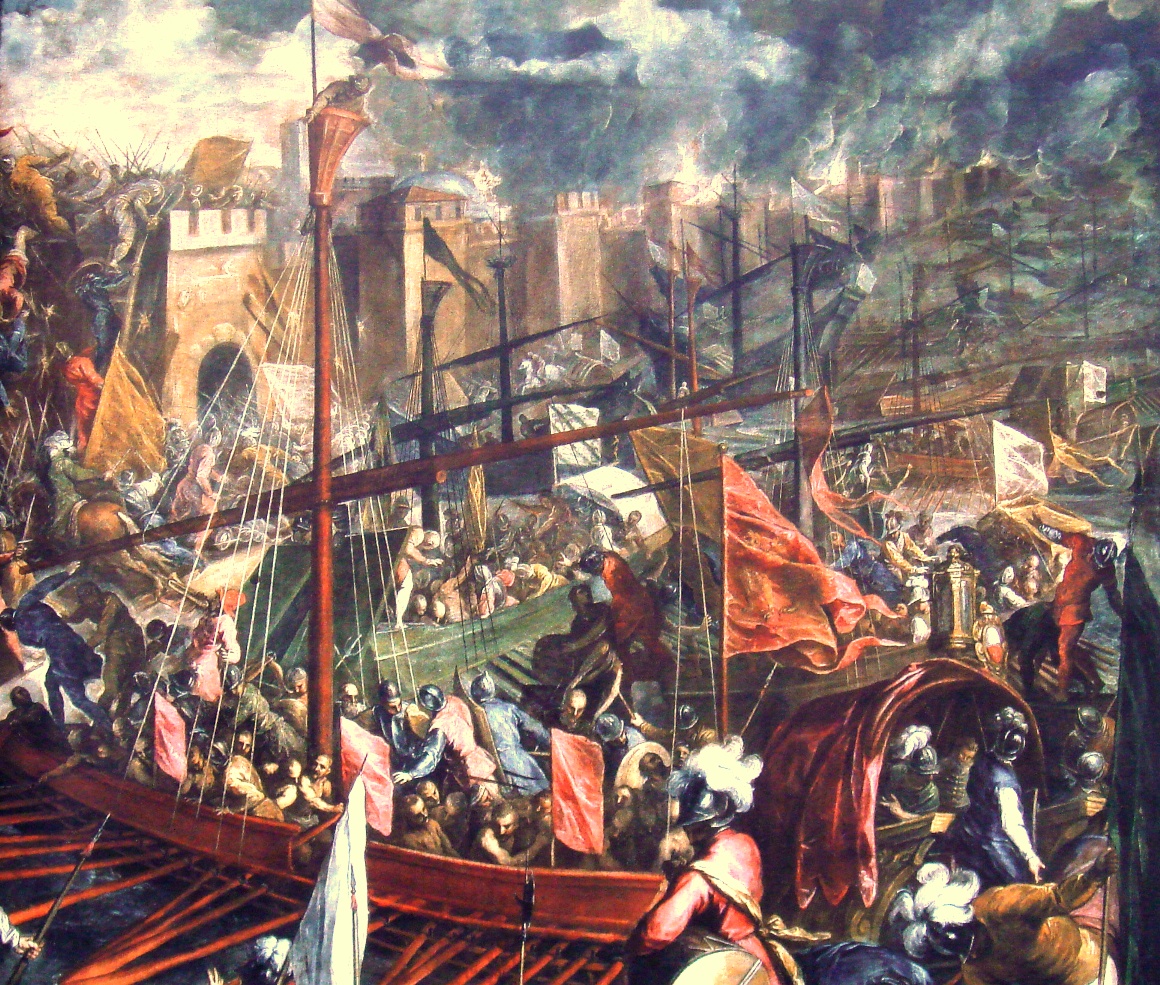
Greece between East and West: The Fall of Byzantium and the Origins of Crisis Hellenism
📍 Washington, DC
What can Byzantium teach us about the crisis in Greece? While "rule by debt" is a mostly modern phenomenon, the deeper anxieties, aspirations, and suspicions that Greeks feel when dealing with western Europe were largely set in place during the last centuries of Byzantium, between the twelfth and fifteenth centuries. In this lecture, Professor Kaldellis provided historical context and traced the lives of prominent Byzantines of that time, illustrating their difficult choices and the complex reactions of Greek culture to the forces of Europe and Islam that were squeezing it from either side. Conversely, the West too oscillates between admiring and distrusting Greeks, from Byzantine times to this day. Anthony Kaldellis is a Professor of Classics with a PhD in History from the University of Michigan. Raised in Athens by an American mother and father from Mytilene, he came to the US to study physics, but ended up a Byzantinist. Professor Kaldellis has written extensively on many aspects of Byzantine history, literature, and culture. His work has focused on the reception of the classical tradition, including authors (Procopius of Caesarea), genres (Ethnography after Antiquity), identities (Hellenism in Byzantium), and monuments (The Christian Parthenon). His most recent monograph proposes a new, Roman interpretation of the Byzantine political sphere (The Byzantine Republic: People and Power at New Rome). He has also translated many Byzantine texts, most recently the histories of Prokopios, Michael Attaleiates, and Laonikos Chalkokondyles.
View details →
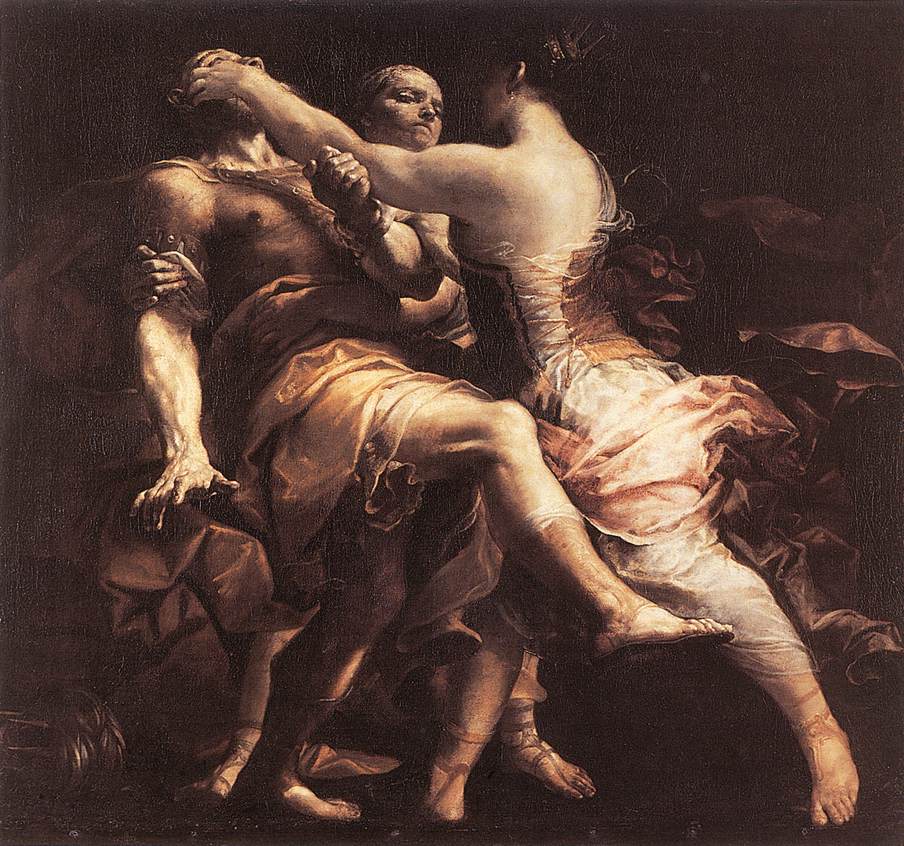
Euripides' Hecuba and the Athenian Empire
📍 Washington, DC
Much of the criticism on Euripides's Hecuba is focused on the character of Hecuba as victimized mother who rightfully avenges her son's death, versus those who argue for Hecuba's moral deterioration over the course of the play's two main movements, sacrifice and revenge. This talk departed in a new direction by analyzing how the historical and political background informs the key themes of the protection due prisoners of war and the treatment of the vanquished. Viewed against the Athenian empire's policies in the 420s BCE, Hecuba focuses on the obligations of the strong toward the weak and of masters toward slaves, lending the lead character's voice to the perspective of the vanquished, the subaltern, the colonized subject. The use and abuse of charis (favor) anchors the political interpretation of the play within the contemporary public discourse on empire. Supplication and xenia (ritualized friendship) that are based on reciprocity and the exchange of favors offer the framework for extending politics to an understanding of the motives and psychology of Hecuba's gruesome revenge. Angeliki Tzanetou is Associate Professor of Classics at the University of Illinois at Urbana-Champaign. She received her B.A. in Classics from the University of Athens and her M.A. in Classics and Ph.D. in Classical Philology from the University of Illinois at Urbana-Champaign. She is the author of City of Suppliants: Tragedy and the Athenian Empire (University of Texas Press, 2012) and co-editor with Maryline Parca of Finding Persephone: Women's Rituals in the Ancient Mediterranean (Indiana University Press, 2007). She has published articles on ritual and gender in drama and on tragedy and politics, and is currently at work on a new book on motherhood and subaltern voices in Athenian tragedy.
View details →
Chios: Byzantine Treasures & Medieval Architecture on the Island of Mastiha
📍 Embassy of Greece, Washington, DC
Viewings at the Embassy of Greece with four presentations: Anna Missailidou (Archaeologist, Ephorate of Antiquities of Chios) on "Nea Moni of Chios and its Influence on the Architecture of the Island"; Cristina Stancioiu (Assistant Professor, William & Mary College) on "The Mosaics of Nea Moni"; Manolis Vournous (Architect, Mayor of Chios) on "The Medieval Architecture of Chios: Villages and Fortifications"; and Ilias Smyrnioudis (Chios Mastiha Growers Association) on "The Culture of the Mastiha: History, Tradition, and Economic Impact."
View details →
Beauty and the Greeks
📍 Washington, DC
David Konstan is Professor of Classics at New York University and has been a Professor of Classics at Brown University. Among his books are Roman Comedy (1983); Sexual Symmetry: Love in the Ancient Novel and Related Genres (1994); Greek Comedy and Ideology (1995); Friendship in the Classical World (1997); Pity Transformed (2001); The Emotions of the Ancient Greeks: Studies in Aristotle and Classical Literature (2006); A Life Worthy of the Gods: The Materialist Psychology of Epicurus (2008); Before Forgiveness: The Origins of a Moral Idea (2010); and most recently, Beauty: The Fortunes of an Ancient Greek Idea (2014), published by Oxford University Press in the Onassis Series on Hellenic Culture. He is a past president of the American Philological Association, and a Fellow of the American Academy of Arts and Sciences and Honorary Fellow of the Australian Academy of the Humanities.
View details →
The Great Library of Alexandria: All the Knowledge of the World
📍 Washington, DC
Mary-Jane Deeb joined the Library of Congress in 1998, and became Chief of its African and Middle Eastern Division in 2005. Among her many activities there she led a Library of Congress mission to Baghdad in November 2003 to assist with the reconstruction of the National Library of Iraq; and in 2004 she was part of the Librarian of Congress team that visited Iran. Before joining the Library of Congress she was the Editor of The Middle East Journal, and Director of the Omani Program at The American University in Washington D.C. She has also taught at Georgetown University and at George Washington University. She received her Ph.D. in International Relations from the School of Advanced International Studies of the Johns Hopkins University. Deeb is the author of Libya's Foreign Policy in North Africa, and co-author of Libya Since the Revolution: Aspects of Social and Political Development. She has also written over 150 articles, book chapters, and book reviews. She is a frequent media commentator and has appeared on the Lehrer News Hour, CNN, ABC World News, CBS Evening News, and been quoted by The New York Times, The Washington Post, Time Magazine, The Christian Science Monitor, and The Los Angeles Times. She also writes mystery books, including Cocktails and Murder on the Potomac (2000), Murder on the Riviera (2004), and Death of a Harlequin (2012).
View details →
History and Myth: Italy's War on Greece 1940-1943
📍 Washington, DC
Mussolini's unprovoked attack on Greece in 1940 met with defiant resistance and, to everyone's amazement, led to the first victories against the Axis in WWII. In the wake of a shattering German invasion in April 1941, however, Italian troops came to occupy the greater part of Greece. The traumatic experience of the occupied population — one in ten Athenians died of hunger — and the ultimate fate of the Italian forces at the hands of the Germans is now remembered mostly through the distorting prism of fictionalized books and movies. The true story is more dramatic, and is worth telling. Athanasios (Thanasi) Moulakis, President Emeritus of the American University of Iraq, was born in Athens. He studied Classics and Political Science in Germany where he received his PhD. He taught at German Universities, the London School of Economics, and the European University Institute in Florence. Coming to the US he taught at UCSD and St John's College, Annapolis before becoming founding director of the Herbst Program of Humanities for Engineers at the University of Colorado, Boulder. He later assumed the direction of the Institute for Mediterranean Studies at the University of Lugano, Switzerland. In 1996 he was Fulbright Professor of Philosophy at the University of Jena. In 2008 he became Chief Academic Officer and Acting President of the American University of Afghanistan and subsequently President of the American University of Iraq in Sulaimani. In 1996 his book Beyond Utility: Liberal Education for a Technological Age received the American Association of Colleges and Universities' prize for the best book on liberal education.
View details →
The Icon of Pantocrator in St. Catherine's, Mt. Sinai: Art, Theology, and Modern Neuroscience
📍 Washington, DC
Lecture addressing the artistic, theological, and neuroscientific dimensions of iconic religious imagery. Speakers: Gary Vikan and Vassilis Koliatsos.
View details →
Chasing Aphrodite: The Hunt for Looted Antiquities
📍 Washington, DC
Investigative presentation on the recovery and repatriation of stolen ancient artifacts. Speaker: Jason Felch (Investigative Reporter, Los Angeles Times).
View details →
The Human Need for the Divine: An Historical Approach
📍 Washington, DC
Historical examination of human spirituality and divine seeking across cultures and epochs. Speaker: Greg Nagy, Ph.D. (Director, Harvard's Center for Hellenic Studies).
View details →
The Glory that was Greece; The Grandeur that was Rome: What's the Difference?
📍 Washington, DC
Comparative lecture examining distinctions between ancient Greek and Roman civilizations. Speaker: Athanasios Moulakis.
View details →
Greek Philosophers Preparing to Die
📍 Washington, DC
Philosophical lecture examining ancient Greek perspectives on mortality and dying. Speaker: Patrick Lee Miller (Professor of Philosophy, Duquesne University).
View details →
The Emotions of the Ancient Greeks
📍 Washington, DC
A talk by David Konstan of NYU, and John Rowe, Workman Distinguished Professor of Classics and Comparative Literature, Brown University.
View details →
Herodotus: A Pluralist Polymath for our Own Times
📍 Washington, DC
Lecture on ancient historian Herodotus and his contemporary relevance. Speaker: Paul Cartledge (A.G. Leventis Professor of Greek Culture, Cambridge University).
View details →
Celebration of the Closing of the 2008-9 Lecture Series at President Anna Lea's Home
📍 President Anna Lea's Home, Washington, DC
A reception and discussion celebrating the close of SPGH's 2008–9 lecture series at the home of President Anna Lea. Special guest Dr. Athanasios Moulakis spoke about his experiences in Afghanistan and the way ancient Greek culture continues to influence the area.
View details →
A New Beginning and the Wisdom of the Past: Why the Greek Classics are Still Relevant
📍 Washington, DC
Presentation on the enduring relevance of classical Greek thought to contemporary challenges. Speaker: Alexandros Mallias (Ambassador of Greece).
View details →
No Man's Lands: One Man's Odyssey through the Odyssey
📍 Washington, DC
Author presentation based on a personal journey retracing Homer's Odyssey. Speaker: Scott Huler (Author).
View details →
The Great Influence of Ancient Greece on the American Founding Fathers
📍 Washington, DC
Lecture examining Greek philosophical and political influence on American founding documents and thinkers. Speaker: Carl Richard (University of Louisiana).
View details →
Faith and Reason
📍 Washington, DC
Seminar exploring tensions and intersections between faith and rational thought. Participants: Mary Lefkowitz (Professor Emerita Classics, Wellesley College) and Tom Lange (Writer/Journalist). Moderator: Sophy Burnham (Author/Playwright).
View details →
The Great Experiment: The Story of Ancient Empires, Modern States, and Quest for a Global Nation
📍 Washington, DC
Lecture on empire development patterns and global governance possibilities. Speaker: Strobe Talbott (President, Brookings Institution; former Deputy Secretary of State).
View details →
Greek Ways in Republican Rome: Roman Lenses on Greek Sexualities
📍 Washington, DC
Lecture examining Roman interpretations and responses to Greek sexual practices and attitudes. Speaker: Judith Hallett (University of Maryland).
View details →
Athens and Jerusalem: Faith and Reason Intersect in 4th-Century Greece and 21st-Century America
📍 Washington, DC
Lecture addressing religious and rational thought traditions and their contemporary implications. Speaker: Jennifer Hockenberry (Mount Mary College, Milwaukee, Wisconsin).
View details →
Albion, Rome and Athens: Political Ideals and American Democracy
📍 Washington, DC
Lecture examining political influences from British, Roman, and Greek traditions on American democracy. Speaker: Sanford Lakoff (University of California San Diego).
View details →
Greek Political Thought and the American Regulatory Practice
📍 Washington, DC
Lecture on ancient Greek political philosophy's influence on American administrative and regulatory systems. Speaker: Neil Kerwin (President, American University).
View details →
The Persian Invasion of Greece and the End of History
📍 Washington, DC
Lecture on Persian-Greek conflicts and their historical significance. Speaker: Tom Holland (BBC Radio presenter; author "Persian Fire").
View details →
Stoic Warriors: The Ancient Philosophy Behind the Military Mind
📍 Washington, DC
Lecture on ancient Stoic philosophy and military ethics and psychology. Speaker: Nancy Sherman (Professor of Philosophy, Georgetown University).
View details →
The Decline of Modern Conversation: What We Can Learn from Ancient Greece
📍 Washington, DC
Lecture on ancient Greek dialogue practices and contemporary communication decline. Speaker: Stephen Miller (Author, "Conversation: A History of a Declining Art").
View details →
Discussion on Nietzsche's Theory of the Apollonian and Dionysiac Impulses
📍 Washington, DC
Seminar discussing Nietzschean philosophy's treatment of contrasting Greek cultural impulses. Panelists: Gonda Van Steen (University of Arizona) and Frank Romer (East Carolina University).
View details →
How Ancient Greece Influenced Early Christianity
📍 Washington, DC
Lecture on Greek philosophical and cultural influences shaping early Christian theology and practice. Speaker: Judith Herrin (King's College London).
View details →
Lecture by Dr. Jonathan Shay
📍 Washington, DC
Presentation on ancient military literature's relevance to contemporary combat trauma understanding. Speaker: Jonathan Shay (Psychiatrist, Veterans Administration; author "Achilles in Vietnam" and "Odysseus in America: Combat Trauma and the Trials of Homecoming").
View details →
The Intangible Motives of International Conflict: Cleopatra's Nose and the Shadow of Helen
📍 Washington, DC
Lecture on non-material and psychological factors driving international conflicts. Speaker: Athanasios Moulakis (Woodrow Wilson Center).
View details →
The Influence of Greek Drama on Classical Opera
📍 Washington, DC
Seminar examining how ancient Greek dramatic works influenced opera composition and libretto development. Participants: Herbert Golder (Boston University Classics), Nizam Kettaneh (Music Historian), Ryan Brown (Conductor/Artistic Director, Opera Lafayette). Co-sponsor: Opera Lafayette of Washington, D.C.
View details →
The Meaning of Heroism Through the Ages
📍 Washington, DC
Lecture on evolving conceptions of heroic ideals and heroic action across historical periods. Speaker: Peter Bien (Professor Emeritus, English & Comparative Literature, Dartmouth).
View details →
Aristotle's Children: How Christians, Muslims, and Jews Rediscovered Ancient Wisdom and Illuminated the Dark Ages
📍 Washington, DC
Lecture examining medieval transmission and preservation of Aristotelian and Greek thought through religious communities. Speaker: Richard Rubenstein (Professor of Conflict Resolution and Public Affairs, George Mason University).
View details →
Defining the Diaspora: The Case of the Greeks
📍 Washington, DC
Lecture on Greek diaspora definition, history, and contemporary identity formation. Speaker: Richard Clogg (University Research Fellow, St Antony's College Oxford; former University of London History Professor).
View details →
The Heritage of Thermopylae: What the Spartans Have Done for Us
📍 Washington, DC
Lecture on the Spartan military legacy and cultural influence on Western civilization. Speaker: Paul Cartledge (Professor of Greek History, Cambridge University).
View details →
Presentation of the Play of Jason & the Argonauts and Panel Discussion
📍 Washington, DC
Theatrical presentation of the Greek mythological narrative followed by a panel discussion. Performers: Synetic Theatre. Panelists: Gregory Nagy (Harvard Center for Hellenic Studies) and Paata Tsikurishvili (Artistic Director/Founder, Synetic Theatre).
View details →
Madness and the Artistic Genius
📍 Washington, DC
Joint lecture examining historical and contemporary understanding of connections between mental states and creative achievement. Speakers: Kay Redfield Jamison (Professor of Psychiatry, Johns Hopkins University; national bestselling author) and Vassilis Koliatsos (Associate Professor, Johns Hopkins University).
View details →
Alexander: The Ambiguity of Greatness
📍 Washington, DC
Lecture examining the ambiguous legacy and character of Alexander the Great. Speaker: Guy MacLean Rogers (Professor of Classical Studies, Wellesley College).
View details →
Aristotle's Contributions to Modern Democracy
📍 Washington, DC
Lecture on Aristotelian political philosophy's influence on democratic institutions and theory. Speaker: Jeffrey Reiman (William Fraser McDowell Professor of Philosophy, American University).
View details →
The Role of Serpent in Literature and Mythology
📍 Washington, DC
Lecture on serpent symbolism and narratives across literary and mythological traditions. Speaker: Willie Lewis (Author, "Snakes: An Anthology of Tales"). Introduction by Susan Eisenhower (Eisenhower Institute Chairman).
View details →
Dictatorships: From Ancient Greece to Modern Iraq & Iran
📍 Washington, DC
Comparative lecture examining authoritarian governance from ancient to contemporary periods. Speaker: Clive Foss (Professor of History, Georgetown University; author works on dictatorships).
View details →
Greek Gods, Human Lives
📍 Washington, DC
Lecture on the relationship between Greek gods and mortals in ancient mythology and literature. Speaker: Mary Lefkowitz (Professor Emerita of Classics, Wellesley College).
View details →
Empires and Superpowers: Their Rise and Fall
📍 Georgetown University, Washington, DC
Seminar examining Athenian, Roman, Ottoman, and British empires.
View details →
Highlights of "The Meaning of Classical Theater Through the Ages"
📍 Washington, DC
Evening with theater directors Michael Kahn and Joy Zinoman, and classicist Bernard Knox.
View details →
SEEDS for Classics Fundraiser
📍 Embassy of Greece, Washington, DC
Benefit featuring Violins of Lafayette ensemble.
View details →
Modern Greek History and Literature Symposium
📍 Georgetown University, Washington, DC
Symposium co-sponsored with Modern Greek Studies Association.
View details →
Odysseus Across the Centuries
📍 Washington, DC
Lecture by Peter Bien, Dartmouth.
View details →
A Journey to the Greek Isles Through the Eyes of a Photographer
📍 Washington, DC
Slide presentation and narrative.
View details →
Lydia Carras' Movie Viewings
📍 Washington, DC
Films about Greek architectural and ecological heritage restoration.
View details →
Screening of Michael Cacoyannis' 'The Cherry Orchard'
📍 Kennedy Center, Washington, DC
Gala benefit screening co-sponsored by Russian and Greek embassies.
View details →