Past Event
Greece between East and West: The Fall of Byzantium and the Origins of Crisis Hellenism
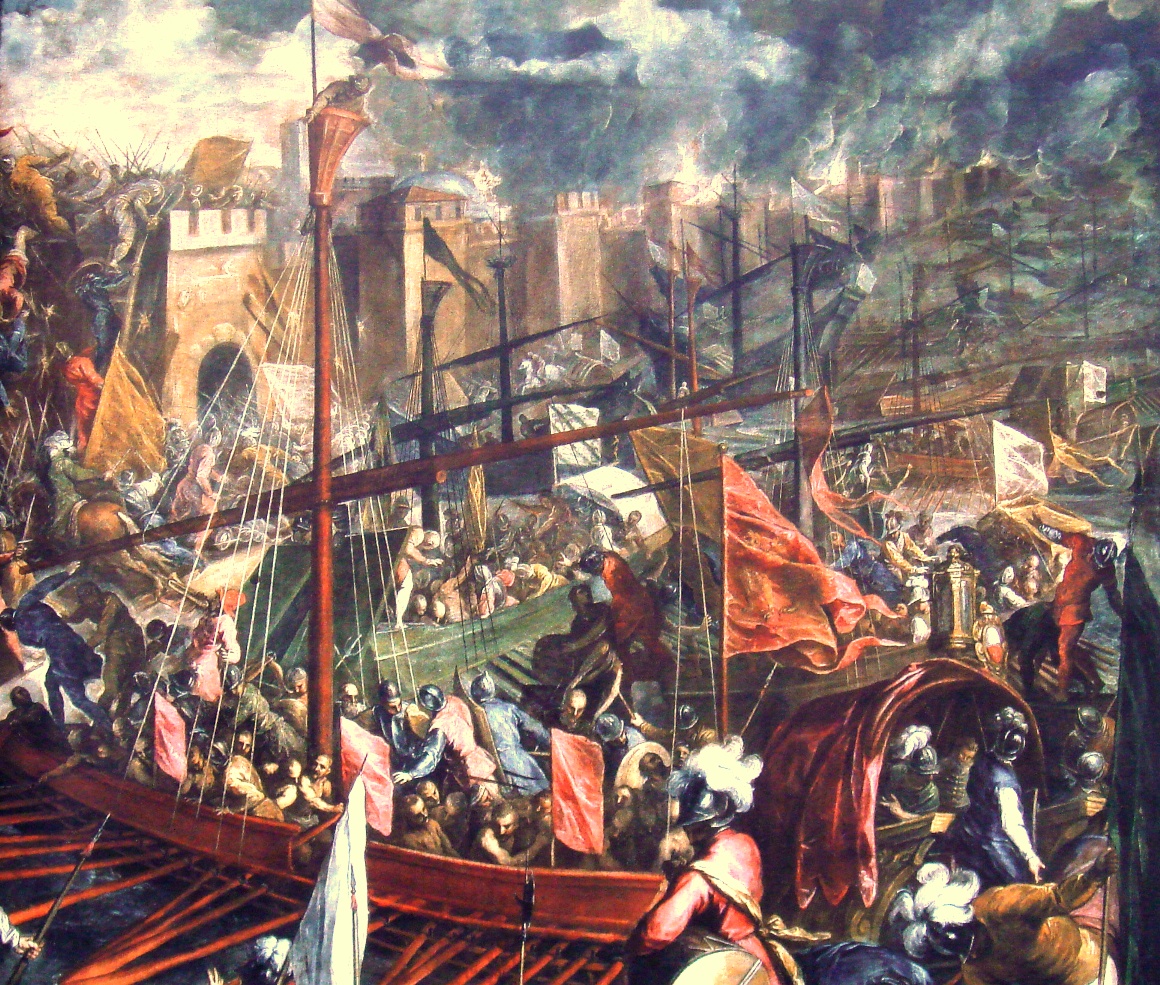
What can Byzantium teach us about the crisis in Greece? While "rule by debt" is a mostly modern phenomenon, the deeper anxieties, aspirations, and suspicions that Greeks feel when dealing with western Europe were largely set in place during the last centuries of Byzantium, between the twelfth and fifteenth centuries. In this lecture, Professor Kaldellis provided historical context and traced the lives of prominent Byzantines of that time, illustrating their difficult choices and the complex reactions of Greek culture to the forces of Europe and Islam that were squeezing it from either side. Conversely, the West too oscillates between admiring and distrusting Greeks, from Byzantine times to this day. Anthony Kaldellis is a Professor of Classics with a PhD in History from the University of Michigan. Raised in Athens by an American mother and father from Mytilene, he came to the US to study physics, but ended up a Byzantinist. Professor Kaldellis has written extensively on many aspects of Byzantine history, literature, and culture. His work has focused on the reception of the classical tradition, including authors (Procopius of Caesarea), genres (Ethnography after Antiquity), identities (Hellenism in Byzantium), and monuments (The Christian Parthenon). His most recent monograph proposes a new, Roman interpretation of the Byzantine political sphere (The Byzantine Republic: People and Power at New Rome). He has also translated many Byzantine texts, most recently the histories of Prokopios, Michael Attaleiates, and Laonikos Chalkokondyles.